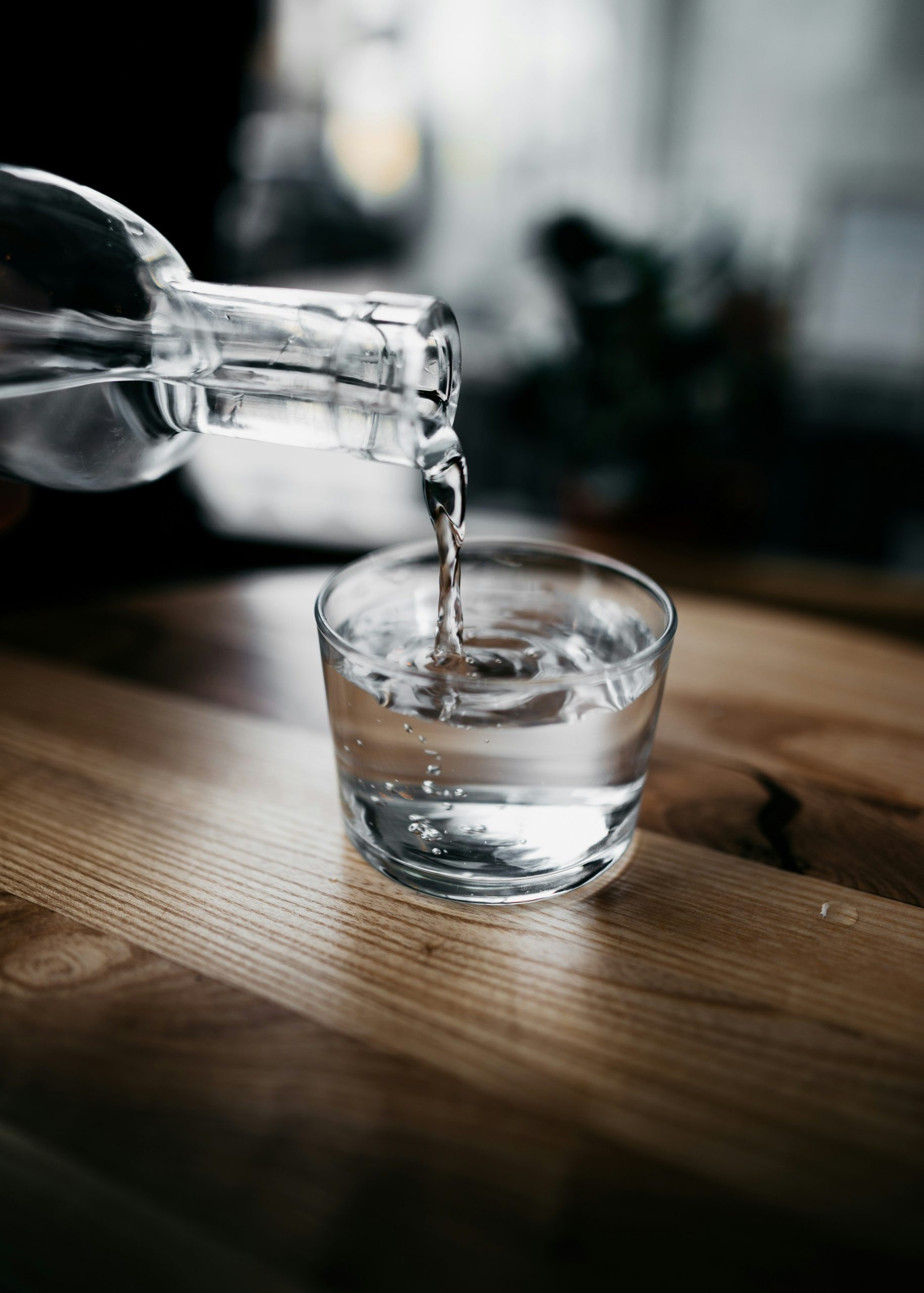
Still, Mineral, Spring & Sparkling Water
I will be talking about:
- Benefits of Still, Mineral and Spring Water
- Sparkling/Carbonated water benefits for pregnancy and digestive issues’
- Water filtration
Every day is a school day, as they say. When I was first pregnant, I remember being completely obsessed with sparkling water. Not necessarily flavoured, just plain sparkling water. I always wondered why I found it so intensely hydrating and delicious – plus, it really helped with my horrendous morning sickness. This thought came back to me recently now that we’re in the heat of summer; I simply can’t stop craving it again. So, I bought some sparkling mineral water and looked into it – it turns out it’s naturally high in magnesium and calcium.
The Water Directory: Still, Sparkling, Mineral, & Spring
Now, the catch is that there are distinct differences between mineral water, spring water, and still water, and you can get sparkling variants.
At the base, mineral water is actually the most “nutritious.” The minerals are entirely natural and come straight from the source. It is also underground water – an important distinction! There are strict legal regulations around the term “mineral water,” so brands cannot use it willy-nilly. It must be naturally high in calcium, magnesium, bicarbonate, and sulfates.
Spring water is the next tier down. This is water that naturally flows to the surface where it is bottled, and it typically contains fewer of these raw minerals.
Still water could, in reality, be many things: tap, purified, or even flat spring or mineral water. It just means it is not carbonated. Standard still water doesn’t have the same mineral density as genuine mineral or spring water, and depending on the source, it can contain chemical residues.
Nature’s Light Electrolyte
Mineral water is truly nature’s light electrolyte! It isn’t a commercial sports drink, and it wouldn’t be sufficient for extreme athletic performances. Instead, it is a clean, natural, gentle electrolyte balance without masses of sodium or added sugars.
So, we know mineral water is a powerhouse for magnesium and calcium. But why does that matter to us as mothers? Magnesium may help soothe stomach cramps and combat deep fatigue or exhaustion – both of which are massive lifesavers for postpartum and breastfeeding mothers. The high calcium content is also vital for supporting bone density, and ensuring you get enough is especially crucial if you are breastfeeding.
I always see people peddling expensive supplements on the internet – especially magnesium. Well, maybe mineral water is a much more cost-effective, and certainly more natural, option. The minerals in mineral water have exceptionally high bioavailability, meaning our cells absorb them beautifully. I will add, do not stop taking any supplements prescribed or recommended from your healthcare provider.
Now for the interesting part: when you opt for a sparkling mineral water (which is bubbly due to carbon dioxide), it creates a weak carbonic acid. This acid can actually help soothe acid reflux, which is incredibly common during pregnancy and postpartum. I know I suffered from reflux a lot myself – and honestly, I still do following my gallbladder removal and in my experience, it helps me!
The Balance: Filtration vs. Demineralisation
So, what about tap water? Standard tap water can contain PFAS (”forever chemicals”), microplastics, heavy metals, and chlorine. These are all things we actively want to filter out, right? Well, the paradox is that in filtering these out, we can easily strip away all of the good minerals as well. This total stripping typically happens with reverse osmosis (RO) systems. These setups are great at removing contaminants, but they don’t discriminate – pretty much everything is filtered out, leaving the water completely demineralised. You can usually purchase an add-on for RO systems to remineralise your water. Alternatively, you can add a tiny pinch of clean sea salt to your water glass, or you can opt to drink a few cans or glass bottles of natural mineral water throughout your day.
Personally, I have a three-stage system at home (not reverse osmosis). My setup has a sediment filter (which removes dust, rust, and sand), a carbon block filter (for chlorine, odors, and cloudiness), and an activated carbon fiber filter for PFAS removal. Now, this is just my personal setup, and there are many options out there. But like everyone, I have to weigh up what level of risk I am comfortable with – and this is where I landed. The cost of a full RO system plus a remineralisation setup was simply too much for me right now, and relying solely on bottled mineral water would be far too costly and wasteful. So, I chose to compromise: I remove the toxic nasties from my tap water and accept the mineral loss. To balance it out, I “supplement” my diet with mineral water- especially sparkling – mostly because I personally feel the digestive benefits from the bubbles.
I wanted to share this to show you that while I will always pass on what I discover and my experience, I don’t necessarily put the technically “perfect” solution into practice myself. It is all about what works for your own family, your budget, and your situation. It’s always a pros-and-cons game. Ultimately, unless you have endless financial resources and time, you have to pick the option you are most comfortable with. I’m not perfect, and this space is never about being perfect. It is about having the clear facts to make an informed decision. I know it sounds cliché, but I truly believe informed is best. Knowledge is power, and you can use that power exactly as you choose!
The Quick Takeaway
Mineral water is top-tier: It acts as a natural light electrolyte, high in bioavailable magnesium and calcium – important for everyone, but a beautiful safety net for postpartum recovery and extended breastfeeding.
Filtration has its place: Decide on a kitchen setup that fits your budget and what level of risk you feel comfortable managing.
Top up gently: Use mineral water as an intentional tool, or opt for it when you’re out and about if you wish.
Just a gentle reminder: this is simply me sharing the science, not an instruction to change your lifestyle! I am simply offering an alternative perspective if you feel you want to make simpler, mineral-dense choices for your family.
Stay Connected
Motherhood isn’t meant to be walked in isolation or dictated by endless algorithms. Step inside our private community forum to share whole-food recipes and chat with fellow mothers, or subscribe to our newsletter for gentle weekly essays.
Soleful Mother is entirely independent and ad-free. If these resources bring a bit of ease to your day, you are always welcome to buy me a coffee.
Legal & Medical Disclaimer
General Information Only: The nutritional statistics, guidelines, and personal experiences shared in this post are for educational, motivational, and informational purposes only. While I hold formal qualifications in health sciences and psychology, the information provided here is not a substitute for professional medical advice, diagnosis, or treatment. Always consult with your GP, midwife, health visitor, or a registered dietitian before making significant changes to your or your child’s diet, especially during pregnancy, postpartum recovery, or extended breastfeeding.
Leave a Reply