Why I’m Choosing Joy and Simplicity Over Rigid Guidelines
I will be talking a little about the
- 5-a-day rule
- Focusing on quality and enjoyment of our food
- A personal nutrition checklist
- Foods that hit multiple health points
- My own fridge, freezer and pantry essentials
So, let’s talk about the 400g-a-day rule. You know the one: the ubiquitous advice that we all need to consume five portions of fruit or vegetables daily, with each portion roughly the size of a hand (about 80g).
Don’t get me wrong – I am absolutely not arguing against the science here. There are undeniable health benefits to getting 400g of fresh produce into your system, and as a society, we should absolutely be aiming to eat more whole foods. But there is a massive piece of nuance missing from this conversation.
When we constantly bombard people with rigid metrics, targets, and checkboxes, it can feel incredibly prescriptive. For many, it actually erodes their autonomy and strips away the joy of eating, making a healthy lifestyle feel completely out of reach. We need to shift the conversation away from mathematical precision and start talking about enjoyment, quality, and variety. Guidelines are fine as a starting framework, but they don’t know your life, your budget, or your unique experiences.
The Missing Pieces in Women’s Health
This rigid, one-size-fits-all approach highlights a much larger issue: the systemic inequality and distinct lack of nuanced health guidance tailored specifically for women. Whether it’s postpartum recovery, exercise science, or daily nutrition, women are frequently left out of the data or handed generic, unhelpful advice.
Take my own experience, for example. When I was pregnant, I wasn’t given any constructive advice on what to include in my diet to thrive – only a list of foods to avoid. When I was breastfeeding, the grand summary of nutritional guidance I received was to “eat a little more,” which was casually quantified as something like “two extra slices of toast a day.”
I can categorically tell you that from the moment I gave birth, I was absolutely ravenous. Even now, while eating a “clinically healthy” diet packed with fibre, protein, nuts, fruits, and vegetables, my hunger fluctuates wildly. This is exactly why sharing our lived experiences as mothers is so vital. The clinical textbooks rarely match the reality of everyday motherhood.
Quality, Enjoyment, and “Bang for Your Buck”
Lately, the wellness world has shifted its goalposts to a new metric: eating 30+ different varieties of plants a week. But let’s be honest – do we actually have time for that? Especially busy mothers? Do we really need another exhausting metric to fail at? If you have the time and energy to hunt down 30 different plants a week, power to you! Go for it. But for the rest of us, an easier and more sustainable approach could be to focus on quality over quantity.
Instead of cluttering your kitchen with obscure ingredients that will sit in the back of the pantry forever (yes, cocoa nibs, I’m looking at you), focus on accessible foods that give you the most “bang for your buck.”
Here are three examples of foods that give you an idea of quality ingredients that hit multiple health points:
- Apples (with the Peel): An incredibly accessible family favourite that simultaneously hits four clinical pathways. Leaving the peel on provides a heavy dose of Prebiotic Fibre (Pectin) and Vitamin C, which dynamically cross over to support your physical immunity, stimulate healthy cell regeneration, and help balance the body’s blood vessel growth.
- Sesame Seeds: A tiny seed with massive potential for postpartum and breastfeeding mothers. Instead of relying on a counter full of synthetic supplement bottles, a simple sprinkle of sesame seeds provides dense, highly bioavailable Calcium, Plant Protein, and Fibre. Systemically, this quietly works to feed your gut microbiome and activate protective cellular pathways.
- Extra Virgin Olive Oil (EVOO): Far more than just a cooking base, extra virgin olive oil acts as an essential daily shield. Labelled a mandatory addition for long-term cell headroom, its rich composition of Monounsaturated Fats (Oleic Acid) and Vitamin E does heavy multi-tasking work across your gut microbiome, protects DNA integrity, and balances your natural circulation pathway
We can also get smart about how and when we eat:
- Eat with the seasons: In-season produce is often more nutrient-dense, packed with vitamins, minerals, and antioxidants at their peak.
- Cook mindfully: How you prepare your food matters. For instance, cooking the humble tomato actually increases your body’s absorption of lycopene, a powerful antioxidant.
If we had infinite time, energy, and money, we’d all be eating perfectly curated, organic, functional meals cooked in the most optimal way possible. But out here in the real world, simplicity wins.
You Choose: Your Personal Nutrition Checklist
Choose what works for you. Find healthy foods you genuinely look forward to eating. Personally, if I try to force myself to eat something healthy that I absolutely despise, it completely backfires.
Remember, there is no single “right” way to eat fruits and vegetables. Something is always better than nothing. Before your next grocery trip, ask yourself these quick questions:
- Do I actually enjoy eating this?
- Is there a local farm shop near me where I can grab seasonal produce?
- Do I value buying organic for this specific item, or does conventional fit my budget better?
- Does this food hit multiple health points for me?
- How do I actually want to cook this? (Steaming, baking, roasting, or frying?)
- How can I easily slide this into a meal I already make?
My Low-Stress Fridge & Pantry Essentials
Sometimes keeping it simple is the ultimate health hack. We are busy enough without trying to whip up intricate meals with expensive, hard-to-find ingredients.
Here is the exact list of basics I always keep stocked. They are simple, highly versatile, and allow me to pull together nutritious meals in minutes without a second thought. (And yes, while steaming vegetables like broccoli, green beans, and carrots preserves the most nutrients, it’s also incredibly fast and low-effort!)
In My Fridge
- Tomatoes
- Apples
- Broccoli
- Green beans
- Carrots
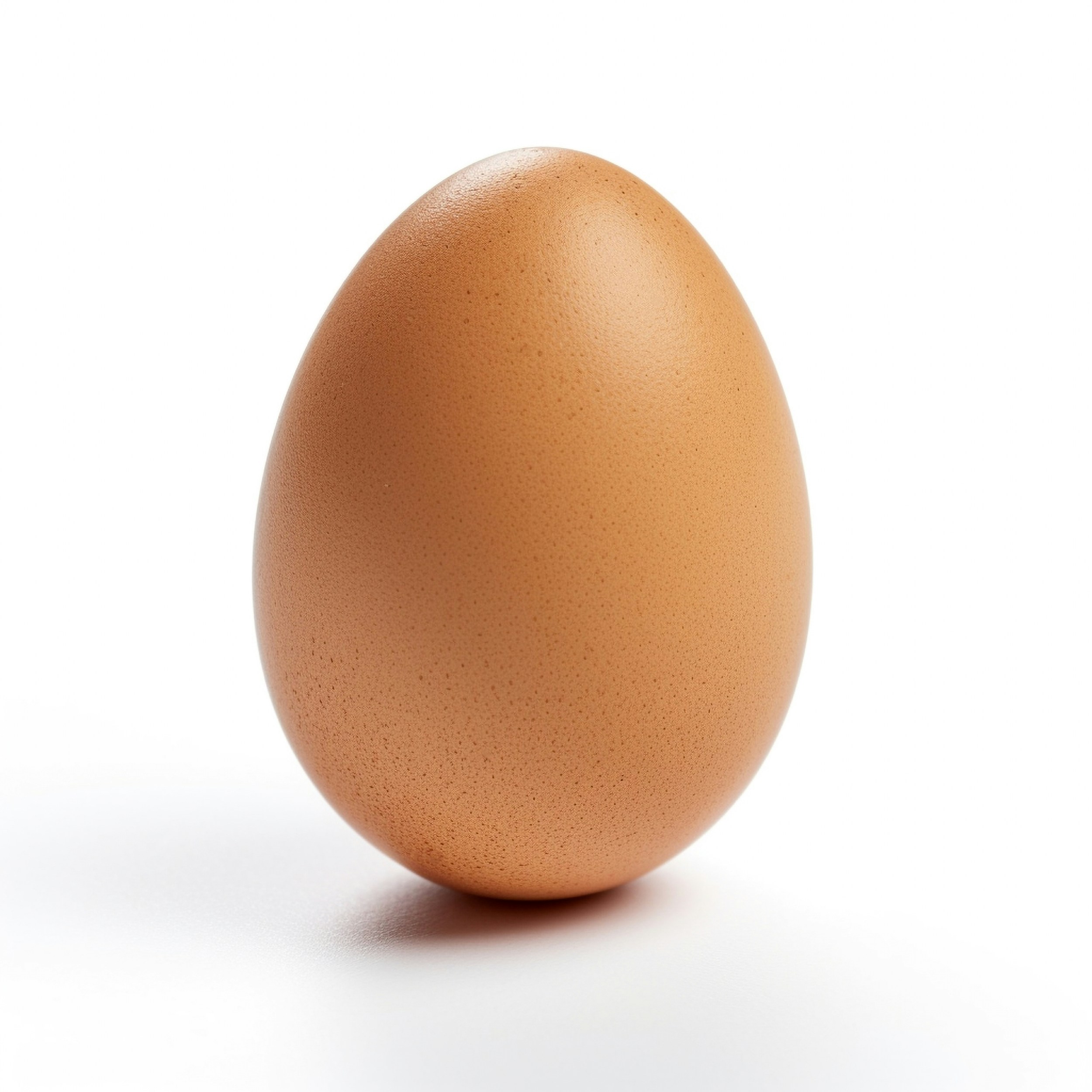
- Eggs
- Cheese
- Milk
- Unsalted butter
- Linwoods
- Blueberries
- Raspberries (a total lifesaver – my toddler is obsessed, and they completely cured his constipation!)
In My Pantry
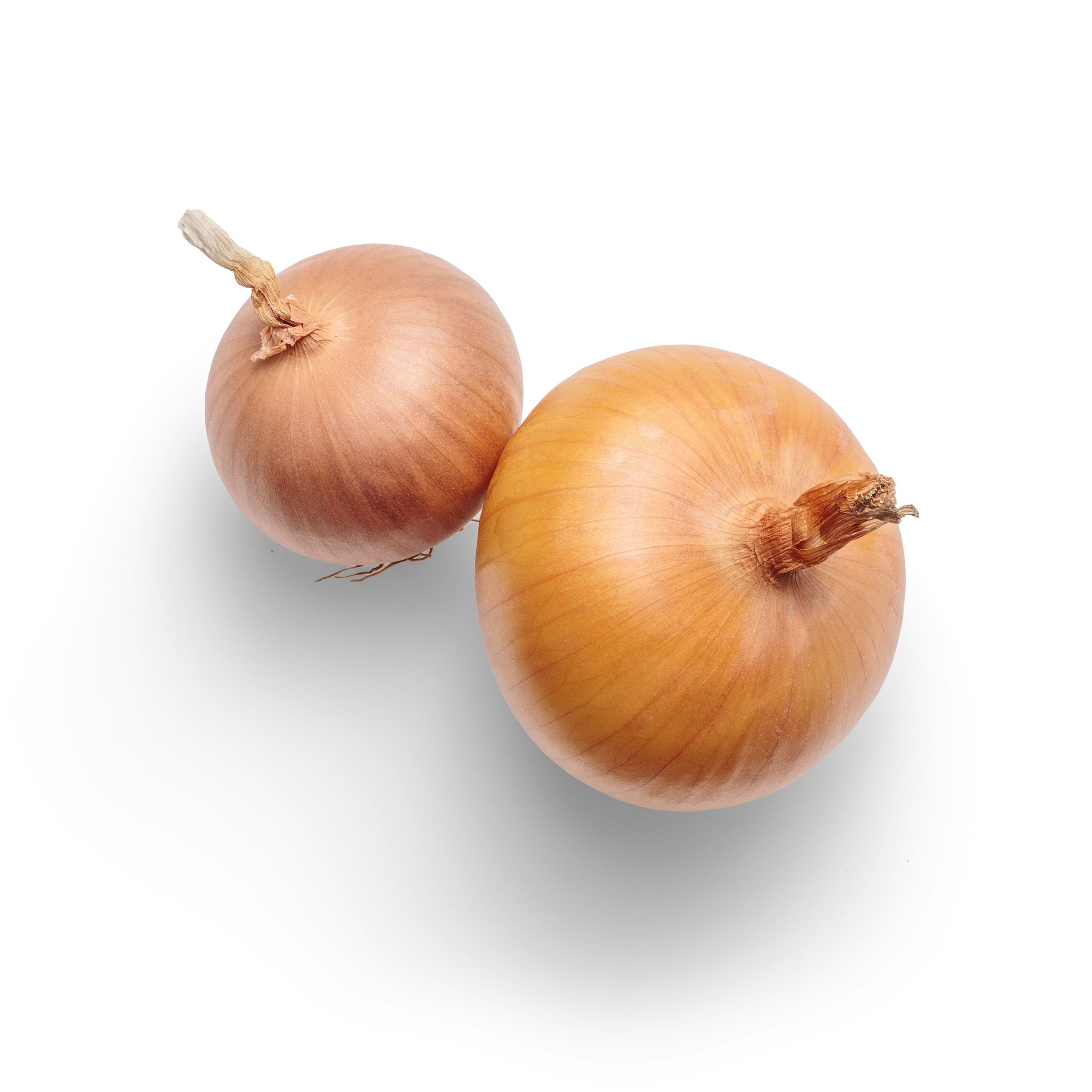
- Onions
- Tinned four-bean salad
- Extra virgin olive oil
- Wholemeal pasta
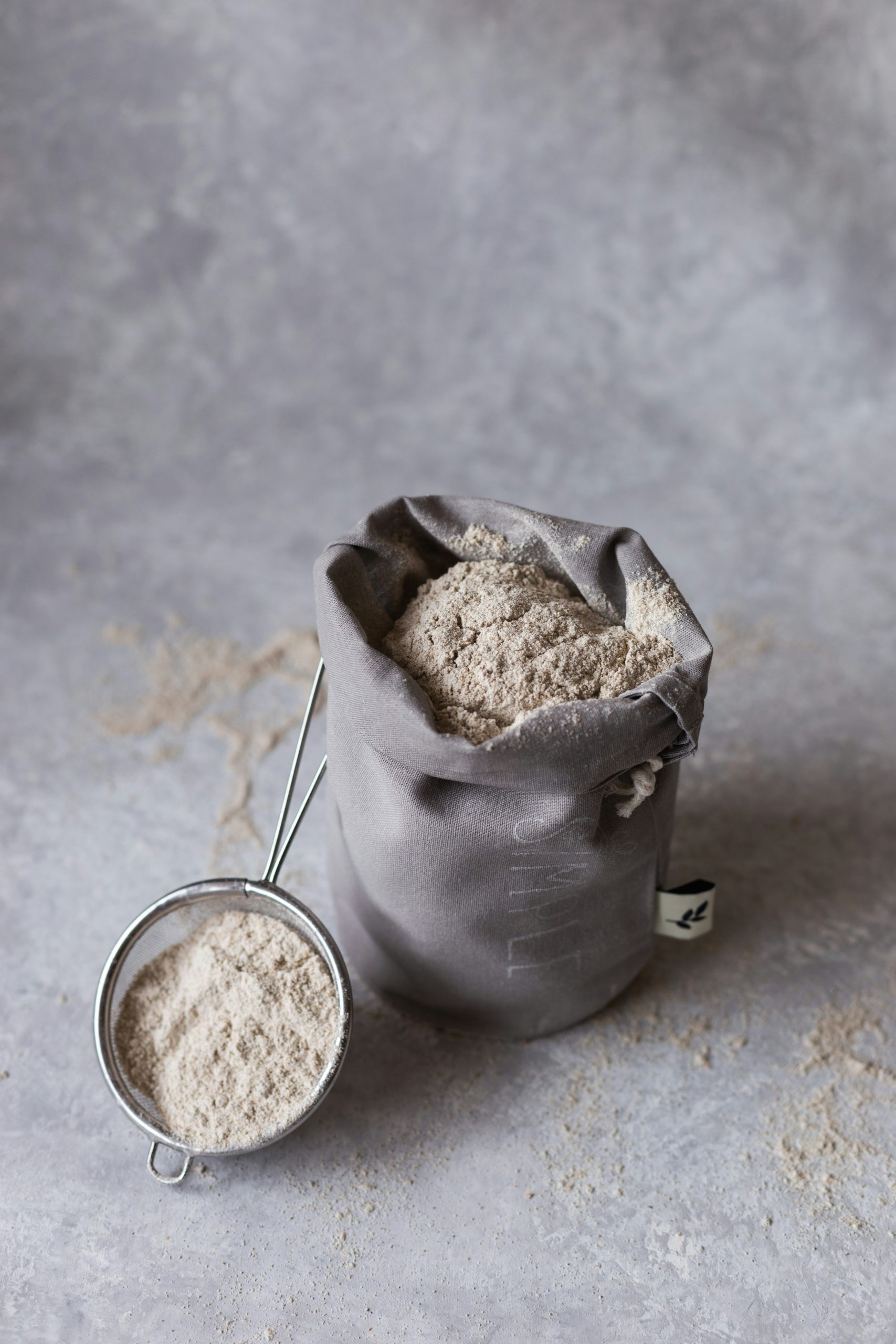
- Wholemeal stoneground flour
- Jumbo oats
- Sesame seeds
In My Freezer
With just these foundational ingredients, you can make a massive variety of healthy, comforting dishes. Examples include, overnight oats, tomato pastas, stir fry, cheese biscuits (my toddler loves these!) and pancakes.
Stay Connected
Motherhood isn’t meant to be walked in isolation or dictated by endless algorithms. Step inside our private community forum to share whole-food recipes and chat with fellow mothers, or subscribe to our newsletter for gentle weekly essays.
Soleful Mother is entirely independent and ad-free. If these resources bring a bit of ease to your day, you are always welcome to buy me a coffee.
Legal, Nutritional & Paediatric Safety Disclaimer
General Information Only: The nutritional insights, meal suggestions, and recipes shared in this post are for educational, motivational, and informational purposes only. While I hold formal qualifications in health sciences and psychology, this information is not a substitute for professional medical advice, diagnosis, or treatment. Always consult with your GP, midwife, health visitor, or a registered dietitian before making significant changes to your or your child’s diet – especially during pregnancy, postpartum recovery, or extended breastfeeding.
Allergen Warning: Everyday kitchen essentials and recipes may include ingredients that are common allergens, such as dairy (cheese, milk, butter), gluten (wholemeal wheat pasta and flour), eggs, or nuts/peanuts (if using nut butter pairings). If you are introducing any of these foods to an infant or toddler for the first time, or if there is a family history of severe allergies, please follow safe, gradual introduction guidelines as recommended by your healthcare provider.
Choking Hazards & Paediatric Feeding: When preparing meals for young children or toddlers, ensure that vegetables (such as cherry tomatoes, whole grapes, green beans, or carrots) are prepared, cut, and softened to a size and consistency appropriate for your child’s age and developmental stage to minimize choking hazards. Always supervise children during mealtimes.