Author: admin

  • Navigating Herbal Teas in Pregnancy & Breastfeeding: What’s Safe, What’s Not, and What the Science Says

    Navigating Herbal Teas in Pregnancy & Breastfeeding: What’s Safe, What’s Not, and What the Science Says

    When you are pregnant or breastfeeding, it can feel very restrictive with food and drink. Sitting down with a warm, comforting mug of herbal tea feels like the ultimate restorative ritual. However, because herbs contain active, plant-derived pharmacological compounds, navigating commercial “mama” or “wellness” blends can feel daunting.

    Not every herb that is natural is automatically benign. Some botanical compounds easily cross the placental barrier or pass into breast milk, while others can influence maternal hormones or impact milk supply.

    To bring clear clinical discernment without the internet noise, we turn to e-lactancia.org a gold-standard, peer-reviewed database maintained by APILAM (Association for Promotion of and Cultural and Scientific Research into Breastfeeding) that classifies substances by evidence-based risk levels.

    Here is a clear breakdown of which herbal teas offer gentle, safe support, and which ones should be avoided.

    Herbal Tea Botanical Name e-lactancia Risk Level Status Maternal Benefits & Clinical Notes
    Ginger Zingiber officinale Very Low Risk (Compatible) Safe Well-researched for easing first-trimester nausea and gastric sluggishness. Postpartum, it supports digestive warming and comfort. Stick to standard culinary steeped root or bagged teas.
    Rooibos (Red Bush) Aspalathus linearis Very Low Risk (Compatible) Safe Naturally 100% caffeine-free and low in tannins (which can otherwise inhibit maternal iron absorption). Packed with cellular antioxidants like aspalathin, making it an ideal evening swap for black tea.
    Chamomile Matricaria chamomilla Very Low Risk (Compatible in moderation) Safe
    (Culinary strength)
    Soothes the nervous system, supports restorative sleep, and eases digestion. Stick to standard culinary German chamomile (1–2 steeped cups daily). Avoid therapeutic extracts or high-dose Roman chamomile.
    Spearmint Mentha spicata Very Low Risk (Compatible) Safe
    (Culinary strength)
    A gentler alternative to peppermint with naturally lower menthol levels, making it less likely to affect milk supply. Soothes pregnancy nausea, indigestion, and bloating. Stick to moderate culinary infusion amounts (1–2 cups daily) and avoid concentrated essential oils.

    A Note on Preparation: “Culinary” vs. “Therapeutic”

    When an herb is designated as Very Low Risk, that rating applies strictly to culinary-strength infusions, meaning a standard tea bag or a modest slice of fresh root steeped in boiling water for 3 to 5 minutes, enjoyed 1 to 2 times a day.

    It does not apply to:

    • Concentrated liquid extracts or herbal tinctures.
    • Essential oils added to drinks (which should never be ingested).
    • High-dose herbal supplement capsules.

    How to Check Your Own Teas

    If you have a loose-leaf blend or a commercial tea at home with multiple ingredients, check each component individually on e-lactancia.org. You can search by common English names or the botanical Latin name listed on the back of the packet.

    If you are ever uncertain about a specific blend, you can also consult The Breastfeeding Network Drugs in Breastmilk Information Service alongside your GP or midwife.

    Stay Connected

    Motherhood isn’t meant to be walked in isolation or dictated by endless algorithms. Step inside our private community forum to share whole-food recipes and chat with fellow mothers, or subscribe to our newsletter for gentle weekly essays.

    Legal & Medical Disclaimer

    The herbal insights, nutritional notes, and safety classifications shared in this post are for educational, motivational, and informational purposes only. While I hold formal qualifications in health sciences and psychology, this information is not a substitute for professional medical advice, individual clinical assessment, diagnosis, or treatment. Every mother and baby is biochemically unique. Always consult with your GP, midwife, health visitor, or a qualified medical professional before introducing medicinal herbs or making significant changes to your diet, especially during pregnancy or extended breastfeeding.

  • The Humble Egg

    The Humble Egg

    I would like to talk about the humble egg:

    • Beyond ‘just’ protein – Vitamin D, Choline, Selenium & B12
    • The Myth – Eggs and Cholesterol
    • How I use eggs

    I remember when my best friend was pregnant and she told me that she was consistently eating eggs everyday because they were so good for you. I never really thought anything of it, and when I was pregnant I had such bad morning sickness that I struggled to eat eggs if I’m honest! Postpartum, I became kind of obsessed with eggs. Again, I hadn’t really thought too much about it and it’s only just recently that I’ve decided to look closer at eggs and what they actually offer us.

    Beyond ‘just’ Protein

    Eggs are really nutritionally dense and I can see why I crave and eat them so much – as does my toddler!

    • Protein: I think most people would associate an egg as high in protein, and it is true that they are a fantastic source of protein. They contain all nine essential amino acids, which means they are a complete protein source. These are histidine, isoleucine, leucine, lysine, methionine, phenylalanine, threonine, tryptophan, and valine. Adequate protein is absolutely essential, but particularly for mums, postpartum, breastfeeding, or not! Protein helps with tissue repair and energy levels (blood sugar). Again, mums always need as much energy as we can get right! Method of cooking matters less for protein in eggs, in terms of cooking is more beneficial then eating raw as your body can absorb more of the nutrients.
    • Vitamin D: This is really tricky for us to get adequate levels through diet alone and I am not suggesting eggs replace natural sunlight, but they are a definite supporter of Vitamin D levels, especially during the darker months. Interestingly, if you buy organic eggs, these are actually higher in Vitamin D, due to the hens increased outdoor access and exposure to the sun, and diet. There is also a suggestion that again, method of cooking matters, with scrambled eggs preserving the most amount of Vitamin D.
    • Choline: This is found inside the egg yolk and is one of the best sources of choline if you are looking in particular to boost these levels! Choline is apparently super important during pregnancy for foetal brain and spinal cord development. It’s also important in postmenopausal women as choline isn’t synthesised as efficiently post menopause. It’s also important for memory and mood.
    • B12 and Selenium: B12 is commonly know to help with energy levels and fatigue, again more of which mums could do with help with! Selenium is supports thyroid function, immune defence and supports healthy hair, skin and nails. I now suffer with thyroid issues as a result of having my little boy, I’m not suggesting eggs would have cured this but it’s certainly food for thought around thyroid issues in women.

    What About Cholesterol?

    If you are grew up in the 80s/90s, you might remember there being a rumour that eggs are bad for cholesterol. This is actually incorrect!

    • Dietary Cholesterol / Blood Cholesterol: For the vast majority of people (unless you have familial hypercholesterolaemia), eggs have a smaller effect on blood levels of total cholesterol and harmful LDL cholesterol.
    • Focus on Saturated Fat: Eggs are actually low in saturated fat. There are more harmful effects from saturated fatty acids in butter and fatty meat greater and more harmful effects of saturated fatty acids found in foods such as butter and fatty meat. The real cholesterol impact often relates to how the eggs are cooked or what they are served alongside, like heavy cooking oils or processed meats.
    • Familial Hypercholesterolaemia: As briefly mentioned above, unless you have familial hypercholesterolaemia, you may not need to limit intake of egg yolk. Most healthy adults, can enjoy eggs as part of their diet.

    How I use Eggs

    I will eat eggs every single day without fail. My toddler absolutely loves scrambled egg. I think eggs are fantastic, as you can eat them many different ways. Scrambled, fried, poached, boiled, or even having something like pancakes or waffles gets you your daily egg! For me, it depends on our schedule for the day and if we are in or out the house, but we will either have scrambled eggs for breakfast or lunch. If scrambled eggs is too much of a challenge (I know mums are so time poor, plus the clean up from our kids right!:)), then consider cooking a batch of eggs (hard boiled), storing them in the fridge, and having one as a grab and go snack for you and your kids.

    Stay Connected

    Motherhood isn’t meant to be walked in isolation or dictated by endless algorithms. Step inside our private community forum to share whole-food recipes and chat with fellow mothers, or subscribe to our newsletter for gentle weekly essays.

    Legal & Medical Disclaimer

    General Information Only: The nutritional information and meal ideas shared in this post are for educational and inspirational purposes only and do not constitute medical or nutritional advice. While I hold formal qualifications in health sciences and psychology, this information is not intended to replace professional medical advice, diagnosis, or treatment. Always consult your GP, health visitor, or a registered dietitian regarding dietary changes for you or your family.

    Medical Conditions & Cholesterol: If you have been diagnosed with Familial Hypercholesterolaemia (FH), severe hypercholesterolaemia, cardiovascular disease, or type 2 diabetes, dietary cholesterol guidelines may differ for you. Individuals with FH or high cardiovascular risk should consult their GP or specialist lipid clinic before increasing egg consumption, as tailor-made restriction of dietary cholesterol and saturated fats may be recommended.

    Allergen Warning: Eggs are one of the most common food allergens, particularly in infants and young children. If you are introducing eggs to a baby or toddler for the first time, or if there is a family history of severe allergies, please follow safe, gradual introduction guidelines as recommended by your healthcare provider, GP or paediatric allergist.

    Paediatric Feeding: Please ensure all foods served to infants and toddlers are prepared and cooked thoroughly, and served in an age-appropriate texture and size to prevent choking hazards.

  • Unmilling the Confusion

    Unmilling the Confusion

    A Gentle Guide to Flours, Stoneground Staples, and Bakes for Mums

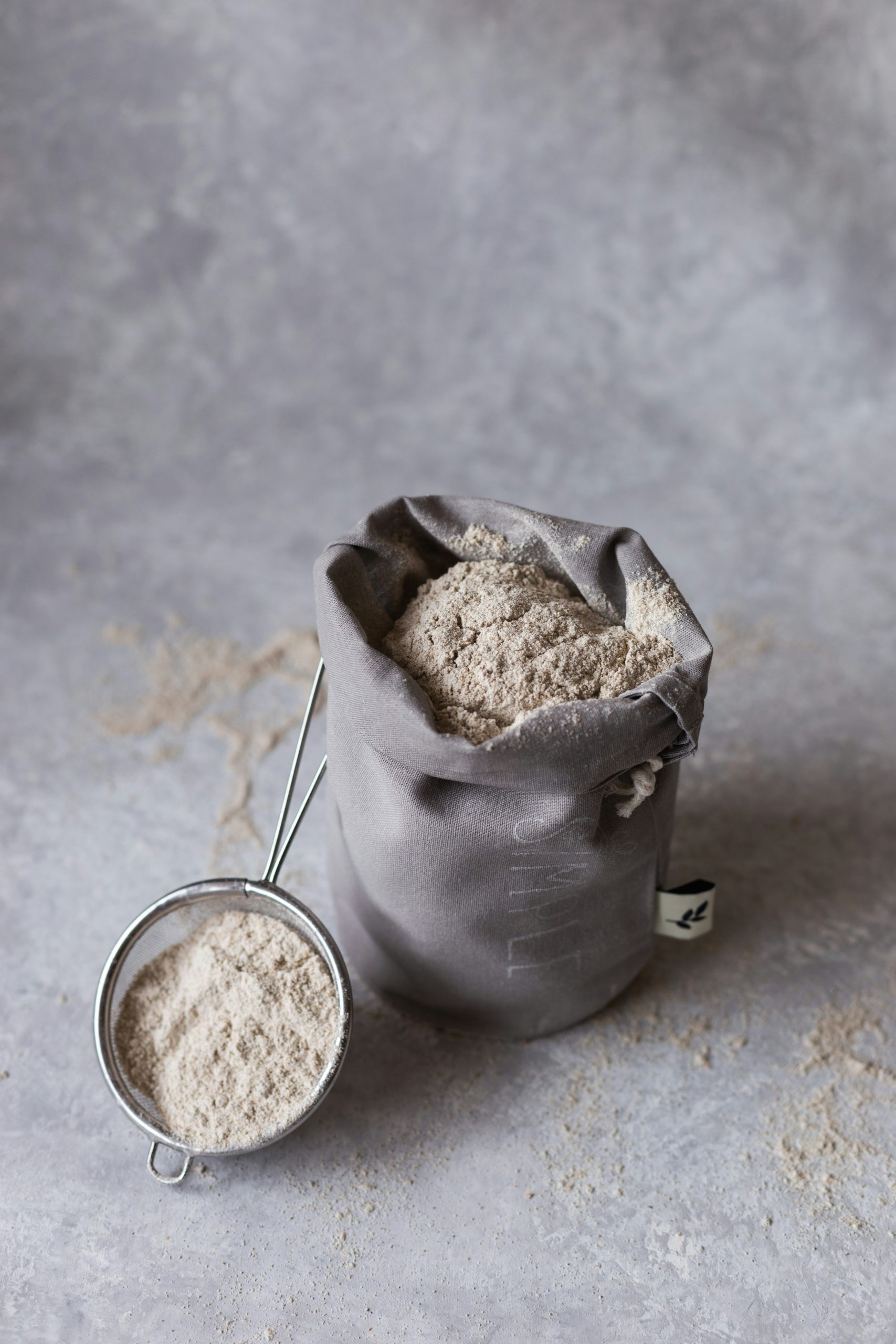
    I’d like to talk a little bit about flours. I’ll admit I hadn’t ever really given flour too much thought, I know about plain and self-raising, and this was the extent of my knowledge to be honest! I then delved in to using wholemeal flour as I understand this is better for us, but if I’m honest again, I didn’t really understand why. I just know I swapped all my plain flour out for wholemeal pretty blindly! Anyway, I thought I should probably dig a little deeper into flours and see if I was right to do this and what else really matters when it comes to flour. I won’t be discussing every type of flour available, I understand there are things like oat flour for example. I’m keeping this simple for the mums out there who need to know what bag of flour should they grab and keep in the pantry!

    Stoneground vs. Industrial Roller Milling

    One thing that caught my eye was the word stoneground! Now what does this mean, well apparently we have to look at how grain becomes flour in the first place, before we can drill down to flour types.

    Standard Industrial Roller Milling is a process where quite simply, flour is made using high-speed steel rollers. The machines are very quick and hot and inevitably strip away the germ (containing Vitamin E and healthy fats) and the bran (the fibrous shell). Now, with wholemeal flour they do mix a portion of the brain back into the flour at the end, but, the heat sensitive vitamins are unfortunately already degraded at this point.

    Stoneground Milling is a traditional way, where whole grains are essentially crushed between two heavy millstones. As these millstones turn slowly, little heat is generated and therefore the vitamins and healthy fats are preserved.

    The Flour Directory: What’s Sitting in the Pantry?

    Plain Flour (White) & Self-Raising White Flour

    White flour is made from refined wheat, with the bran and germ removed entirely. Self-raising simply has an added baking agent (usually baking powder and a touch of salt) mixed in for a quick rise. Due to the fibre-rich bran being removed, plain white flour is essentially pure starch. This can lead to blood sugar spikes and drops in energy. Not something us mothers who are sleep deprived and lacking energy really need! White flour is not a bad thing. If you want to keep a bag and use it for toddler baking or birthday cakes, then go ahead! But if you are regularly reaching for plain flour, then maybe consider a wholemeal alternative.

    Wholemeal Flour (Standard)

    Flour containing the entire wheat kernel (bran, germ, and endosperm), typically reconstituted after industrial roller milling. This is a great upgrade from white flour, it retains the fibre, B vitamins, iron and magnesium. Fibre also helps stabilise our blood sugar and keeps us feeling satiated for longer, along with being extremely beneficial for our gut microbes.

    Stoneground Wholemeal Plain Flour

    Whole wheat crushed slowly between natural millstones, keeping the natural germ oils, fibre, and nutrients together. If we were grading our flours, this would be the top flour to have. Due to the natural germ oil ground throughout the flour, it provides a broader spectrum of bioavailable minerals (like zinc and iron) and healthy fats. Pair this with the lack of intense heat from traditional roller milling, it provides a more complex energy so you won’t have the sharp peak and crash! Again, us mums need as much energy as we can get right!

    Wholemeal Rye Flour

    This was another flour that caught my eye, but I haven’t used yet myself. It’s flour milled from the whole rye grain rather than standard wheat. It turns out that rye is a powerhouse for maternal gut health. It is lower in gluten than standard wheat and very high in soluble fibre; beta-glucans and arabinoxylans. These essentially swell in the digestive tract, deeply satiating you and supporting smoother digestion, great for postpartum sluggishness or constipation.

    The Takeaway

    1. Stoneground: Look for stoneground as your first choice for any flour.
    2. Wholemeal: Subsequently, try switching to Stoneground Wholemeal for your everyday bakes!

    I can tell you that I have used Stoneground Wholemeal for pancakes, waffles, biscuits, cakes, pretty much everything. The only thing I would say, is it can cook a little dryer as to be expected with this type of flour. So consider adding something like a banana to your bakes 🙂

    There is no right way to nourish your family, perfection isn’t possible and it’s unhealthy to try and attain this. It’s all about having the facts so you can make informed choices that fit your family, budget, time and the season of life you are in.

    Stay Connected

    Motherhood isn’t meant to be walked in isolation or dictated by endless algorithms. Step inside our private community forum to share whole-food recipes and chat with fellow mothers, or subscribe to our newsletter for gentle weekly essays.

    Legal, Nutritional & Paediatric Safety Disclaimer

    General Information Only: The nutritional statistics, biochemistry notes, and dietary suggestions shared in this post are for educational, motivational, and informational purposes only. While I hold formal qualifications in health sciences and psychology, this information is not a substitute for professional medical advice, diagnosis, or treatment. Always consult with your GP, midwife, health visitor, or a registered dietitian before making significant changes to your or your child’s diet, especially during pregnancy, postpartum recovery, or extended breastfeeding.

    Allergen Warning: Wheat and rye flours contain gluten, which is a known food allergen and sensitivity. If you are introducing gluten-containing grains to an infant or toddler for the first time, or if there is a family history of coeliac disease or severe allergies, please follow safe, gradual introduction guidelines as recommended by your healthcare provider.

    Paediatric Feeding & Safety: When preparing baked goods, breads, or finger foods for young children or toddlers, ensure that items are cut, softened, and served in shapes and sizes appropriate for your child’s age and developmental stage to minimize choking hazards. Always supervise children during mealtimes.

  • The Footprints of Health

    The Footprints of Health

    I will be talking about:

    • Natural movement – walking barefoot
    • The cost of modern conveniences on our muscles
    • Lessons from Great Granny C
    • Reframing exercise

    My favourite form of natural movement is walking barefoot – or as close to as I can. When I’m at home I’m barefoot and when I go out I’m sporting a pair of Vivos. I moved to this brand back in April and simultaneously began wearing toe spacers and exercising my toes with basic toe lifting and spreading throughout the day. I mentioned this in an earlier Substack post.

    The move towards this was dictated by two things – one I had a bunion that was causing me great pain and two I had been reading what Dr Courtney Conley had to say on the matter. I can say that my feet are no longer in any pain and I have been slowly strengthening my foot muscles which I strongly believe has helped with my hip and low back pain. Since the improvements in my own aches and pains I have become very interested in the foot and more natural movements.

    Anyway, aside from my personal story on how I got to this place, I want to talk about the benefits of how many steps a day and my thoughts on an extension of this, beyond the feet and to life in the kitchen.

    What the Science Says About Daily Steps

    Studies from Shreeves reported that taking 9,000 steps a day is associated with a lower risk of cancer. The results are slightly different 11%-16% versus 18% in the newer study; with the 2023 study (which included 56% women!:)) associating a lower risk of 13 cancers including bladder, breast, colon, endometrial, esophageal, kidney, liver, lung and adneocarcinoma.

    Additionally, there are several studies supporting increasing your daily step count to help prevent muscle wastage (sarcopenia). The sweet point seems to be between 6,000-7,000 steps. 7,000-8,000 (Nakanojo), and a meta-review (Ding) reporting a finding of 7,000 steps lowering all-cause mortality by 47%. Which brings me nicely onto my latest thought…

    The Cost of Convenience

    Sarcopenia is a type of atrophy which is age related. However, atrophy is something that we can all be at risk of. I was thinking how convenient and instant our lives have become and how there are always gadgets to help us save time. However, I think these come at a cost. Some things are time saving but they are encouraging atrophy. We simply do not use our muscles like we used to, or like we are intended to.

    My first thought was the invention of the electric whisk, when we manually whisk an egg or cake mix for example instead of using an electric whisker we are standing for a start, using our forearm flexors and extensors, engaging wrist control and strength, and engaging the biceps, triceps and anterior deltoid. When we use an electric whisk we aren’t loading or strengthening these muscles. I’m not suggesting we will end up with atrophied muscles from using an electric whisk, but it’s a thought provoking point about how perhaps we should be more mindful of what we are outsourcing.

    Choosing manual kitchen tools forces our upper limbs, forearms, and deep core stabilizers to engage under low-level resistance. This functional loading patterns natural bone density and prevents premature upper-body muscle atrophy.

    The “Manual Kitchen Challenge”

    The very next time a recipe calls for mixing, whipping, or kneading, skip the electric stand mixer or plug-in hand whisk. Grab a traditional steel manual whisk or a solid wooden spoon instead, and reframe those 4 minutes of physical effort as an essential, protective movement snack that strengthens your physical body right where you stand.

    Get your kids involved! I find it slightly odd that we have encouraged children to play or entertain themselves whilst we cook and they’re hanging off our legs! I have a little kitchen tower and my little boy has always helped chopped the vegetables up for dinner, I give him a wooden chopping board, toddler friendly knives and away he goes chopping up green beans mostly. We have some music playing and it’s one of my favourite times of the day :).

    Lessons from Great Granny C

    It also made me think of my lovely Scottish grandmother in law, Great Granny C as we used to so fondly call her. She lived until the ripe old age of 89. She was an absolute powerhouse of a women. She did practically everything herself, she was always gardening and was even still cleaning her own wheelie bins out herself!

    She had such a positive can do attitude and was extremely active, very rarely sedentary unless she was enjoying reading a book or a crossword. It was similar with her cooking, wholesome home made food with some of her famous Scottish recipes including her famous hotpot, apple crumble and coffee buns.

    Enjoyed what you’ve read, consider subscribing for free, or supporting my work.

    Reframing Exercise for Busy Mothers

    I appreciate we are all time poor, but this also brings me to a reframe moment – what if, you didn’t NEED to go to the gym for an hour. We could reframe the simple swapping of an electric whisk for a manual one as exercise, this is a form of natural movement. The more of these swaps we make, the more natural movement we get in. I sometimes feel like I am being pressured into exercising ‘for my own health’ and this adds another impossible metric or target for me to hit, so I have found reframing these moments really helpful.

    And hey, if you love going to the gym go for it (it can have great social benefits, plus you get some time for yourself). This is simply a suggestion to those mothers who don’t have the time or money to go to a gym, who struggle to fit an hours workout in. Let’s reframe these natural movements as exercise. There is always a delicate balance with time and this suggestion won’t be for everyone. But I truly believe a reframe around what exercise is, can help.

    Stay Connected

    Motherhood isn’t meant to be walked in isolation or dictated by endless algorithms. Step inside our private community forum to share whole-food recipes and chat with fellow mothers, or subscribe to our newsletter for gentle weekly essays.

    Disclaimer: The information provided in this article, including thoughts on movement, daily steps, and physical activity in the kitchen, is for educational and informational purposes only. It is not intended as medical advice, diagnosis, or treatment. Every body is unique, and individual physical capabilities or health conditions vary. Always consult with a qualified healthcare professional, physical therapist, or doctor before making significant changes to your physical activity level, especially if you are managing pain, injury, or recovering postpartum.

  • The Humble Onion

    The Humble Onion

    Raw or Cooked, and Perfect Pairings

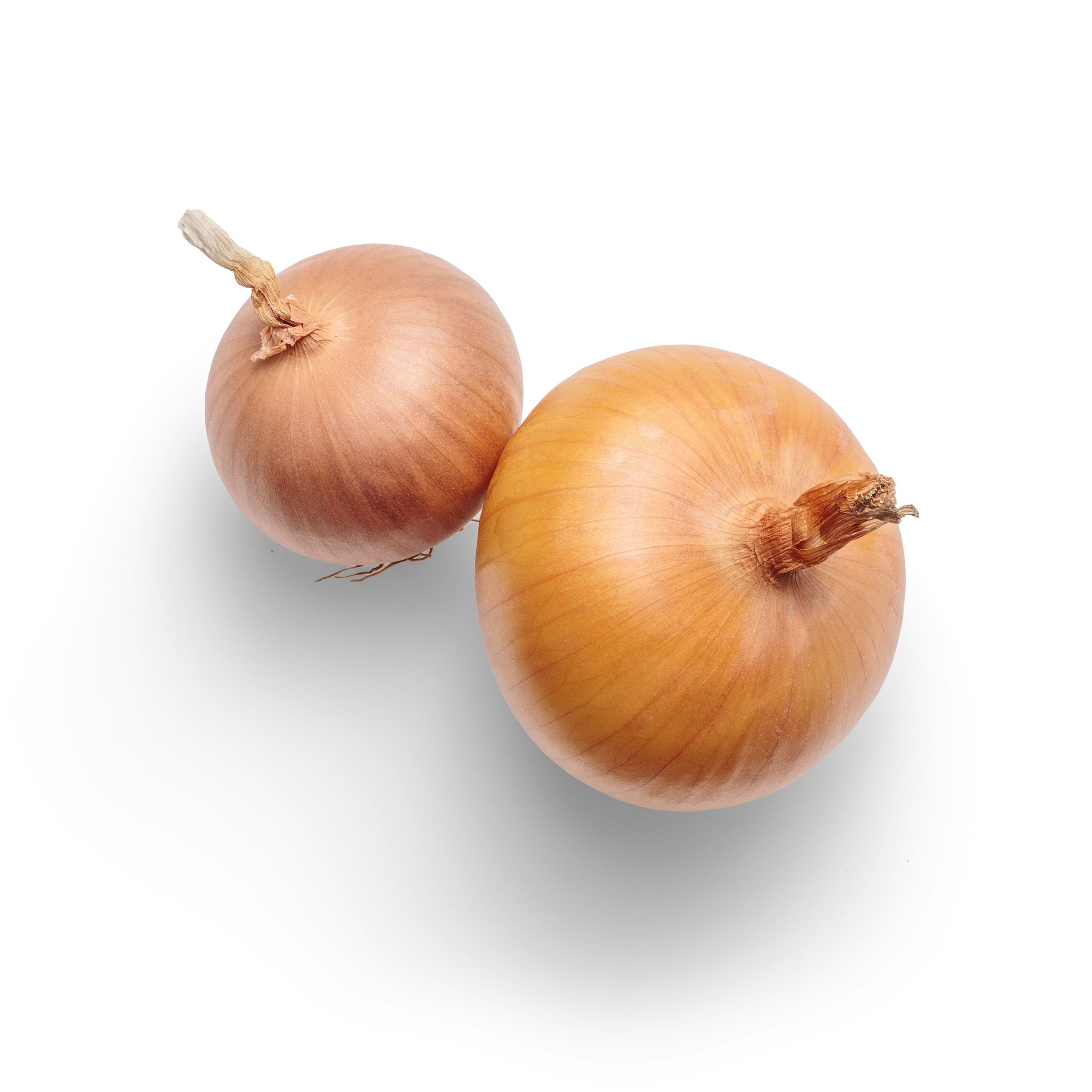
    I think onions are brilliant. They are incredibly nutritious and like a lot of food, they partner will with other foods. I wanted to find out if eating them raw or cooked had any difference in terms of nutritional value and the best pairings.

    The onion is an everyday staple in our cupboards but it is often seen as something very flavoursome, there is little looking beyond the flavour and what actually makes it nutritious. I find it so interesting that these healthy whole foods like the onion are actually really nutritious, not just delicious!

    So, should we be cooking the onion or eating it raw? As I have found it, there is no perfect answer with this one! Variety, and eating the onion raw or cooked provide the body with different nutritional values. Also, it does depend on you, what are your digestive requirements? Some people cannot tolerate raw onions, so it is good to know that cooking them also has it benefits 🙂

    The Case for Raw

    Maybe you like eating raw onions, or want to give it a try. An easy recipe is a simple cheese and onion sandwich!

    • Organosulfur: Onions contain suflur compounds, significantly more so when they are raw as opposed to cooked. There have been studies showing that these suflur compounds may protect against cancer, reduce bad cholesterol, blood sugar and support healthy blood vessels.
    • Vitamin C: Eating onions raw preserves the Vitamin C!
    • Prebiotic: Raw onions have Inulin, a prebiotic fibre. Inulin is extremely beneficial for the gut microbiome.

    The Case for Cooked

    If you or your family suffer with sensitive digestive issues then cooking your onions may be more palatable for you.

    • Quercetin: Onions contain an incredibly source of Quercetin, which is a very bioavailable antioxidant increased during cooking!
    • Easier on the Maternal Stomach: The inulin and sulfur content in raw onions can actually cause digestive upset or discomfort. Cooking the onion actually breaks these down so it is easier to digest.
    • The “Peel” Secret: This was really interesting to read up. There has been research showing that the outer most layers of the onions are higher in antioxidants and flavonoids! Including the skins! If you make bone broths or stews or want to, adding an onion in with these bits on will allow you to get the full benefit of the onion.

    Perfect Onion Pairings!

    Here are three common staple ingredients that I pair my onions with every week 🙂

    🌾 1. Onions + Whole Grains & Legumes (Zinc &Iron)

    When you pair an onion with whole grains or legumes such as the Mr Organic Chickpea or Lentil rice I previously mentioned, they interact. The sulfur from the onions interact with the wholegrain foods that are high in iron and zinc and this increases the absorption of these minerals. Next time you use an onion, try pairing it with whole grains or legumes 🙂

    🍅 2. Onions + Tomatoes (Heart)

    The sulfur and quercetin in the onions enjoy pairing up with the humble tomato this time! Tomatoes are high in lycopene an antioxidant, Vitamin C and Potassium. When you pair these two together, you get lots of benefits (and not just a flavour benefit!). But the one I am focusing on is that together they may help with your heart health. Consider making your own tomato pasta sauce, a can of chopped tomatoes and an onion are delicious 🙂

    🫒 3. Onions + Extra Virgin Olive Oil (Fat-Soluble)

    This one is quite simple, eating onions with Extra Virgin Olive Oil assists with the delivery and absorption of the all the vitamins and antioxidants in the onion! You could try cooking them in the oil, or if you are having them raw, you could make a nice salad with raw onions and a drizzle of oil on top 🙂

    Stay Connected

    Motherhood isn’t meant to be walked in isolation or dictated by endless algorithms. Step inside our private community forum to share whole-food recipes and chat with fellow mothers, or subscribe to our newsletter for gentle weekly essays.

    Legal, Nutritional & Pediatric Safety Disclaimer

    General Information Only: The nutritional insights, biochemistry notes, and dietary suggestions shared in this post are for educational, motivational, and informational purposes only. While I hold formal qualifications in health sciences and psychology, this information is not a substitute for professional medical advice, diagnosis, or treatment. Always consult with your GP, midwife, health visitor, or a registered dietitian before making significant changes to your or your child’s diet, especially during pregnancy, postpartum recovery, or extended breastfeeding.

    Paediatric Feeding & Safety: Onions (especially when raw) have a firm texture and a sharp flavour profile that can be overwhelming for little ones. When preparing meals for young children or toddlers, ensure that onions are finely diced, grated, or thoroughly cooked and softened to a size and consistency appropriate for your child’s age and developmental stage to minimize choking hazards. Always supervise children during mealtimes.

  • Ditch the Food Metrics

    Ditch the Food Metrics

    Why I’m Choosing Joy and Simplicity Over Rigid Guidelines

    I will be talking a little about the

    • 5-a-day rule
    • Focusing on quality and enjoyment of our food
    • A personal nutrition checklist
    • Foods that hit multiple health points
    • My own fridge, freezer and pantry essentials

    So, let’s talk about the 400g-a-day rule. You know the one: the ubiquitous advice that we all need to consume five portions of fruit or vegetables daily, with each portion roughly the size of a hand (about 80g).

    Don’t get me wrong – I am absolutely not arguing against the science here. There are undeniable health benefits to getting 400g of fresh produce into your system, and as a society, we should absolutely be aiming to eat more whole foods. But there is a massive piece of nuance missing from this conversation.

    When we constantly bombard people with rigid metrics, targets, and checkboxes, it can feel incredibly prescriptive. For many, it actually erodes their autonomy and strips away the joy of eating, making a healthy lifestyle feel completely out of reach. We need to shift the conversation away from mathematical precision and start talking about enjoyment, quality, and variety. Guidelines are fine as a starting framework, but they don’t know your life, your budget, or your unique experiences.

    The Missing Pieces in Women’s Health

    This rigid, one-size-fits-all approach highlights a much larger issue: the systemic inequality and distinct lack of nuanced health guidance tailored specifically for women. Whether it’s postpartum recovery, exercise science, or daily nutrition, women are frequently left out of the data or handed generic, unhelpful advice.

    Take my own experience, for example. When I was pregnant, I wasn’t given any constructive advice on what to include in my diet to thrive – only a list of foods to avoid. When I was breastfeeding, the grand summary of nutritional guidance I received was to “eat a little more,” which was casually quantified as something like “two extra slices of toast a day.”

    I can categorically tell you that from the moment I gave birth, I was absolutely ravenous. Even now, while eating a “clinically healthy” diet packed with fibre, protein, nuts, fruits, and vegetables, my hunger fluctuates wildly. This is exactly why sharing our lived experiences as mothers is so vital. The clinical textbooks rarely match the reality of everyday motherhood.

    Quality, Enjoyment, and “Bang for Your Buck”

    Lately, the wellness world has shifted its goalposts to a new metric: eating 30+ different varieties of plants a week. But let’s be honest – do we actually have time for that? Especially busy mothers? Do we really need another exhausting metric to fail at? If you have the time and energy to hunt down 30 different plants a week, power to you! Go for it. But for the rest of us, an easier and more sustainable approach could be to focus on quality over quantity.

    Instead of cluttering your kitchen with obscure ingredients that will sit in the back of the pantry forever (yes, cocoa nibs, I’m looking at you), focus on accessible foods that give you the most “bang for your buck.”

    Here are three examples of foods that give you an idea of quality ingredients that hit multiple health points:

    • Apples (with the Peel): An incredibly accessible family favourite that simultaneously hits four clinical pathways. Leaving the peel on provides a heavy dose of Prebiotic Fibre (Pectin) and Vitamin C, which dynamically cross over to support your physical immunity, stimulate healthy cell regeneration, and help balance the body’s blood vessel growth.
    • Sesame Seeds: A tiny seed with massive potential for postpartum and breastfeeding mothers. Instead of relying on a counter full of synthetic supplement bottles, a simple sprinkle of sesame seeds provides dense, highly bioavailable Calcium, Plant Protein, and Fibre. Systemically, this quietly works to feed your gut microbiome and activate protective cellular pathways.
    • Extra Virgin Olive Oil (EVOO): Far more than just a cooking base, extra virgin olive oil acts as an essential daily shield. Labelled a mandatory addition for long-term cell headroom, its rich composition of Monounsaturated Fats (Oleic Acid) and Vitamin E does heavy multi-tasking work across your gut microbiome, protects DNA integrity, and balances your natural circulation pathway

    We can also get smart about how and when we eat:

    • Eat with the seasons: In-season produce is often more nutrient-dense, packed with vitamins, minerals, and antioxidants at their peak.
    • Cook mindfully: How you prepare your food matters. For instance, cooking the humble tomato actually increases your body’s absorption of lycopene, a powerful antioxidant.

    If we had infinite time, energy, and money, we’d all be eating perfectly curated, organic, functional meals cooked in the most optimal way possible. But out here in the real world, simplicity wins.

    You Choose: Your Personal Nutrition Checklist

    Choose what works for you. Find healthy foods you genuinely look forward to eating. Personally, if I try to force myself to eat something healthy that I absolutely despise, it completely backfires.

    Remember, there is no single “right” way to eat fruits and vegetables. Something is always better than nothing. Before your next grocery trip, ask yourself these quick questions:

    • Do I actually enjoy eating this?
    • Is there a local farm shop near me where I can grab seasonal produce?
    • Do I value buying organic for this specific item, or does conventional fit my budget better?
    • Does this food hit multiple health points for me?
    • How do I actually want to cook this? (Steaming, baking, roasting, or frying?)
    • How can I easily slide this into a meal I already make?

    My Low-Stress Fridge & Pantry Essentials

    Sometimes keeping it simple is the ultimate health hack. We are busy enough without trying to whip up intricate meals with expensive, hard-to-find ingredients.

    Here is the exact list of basics I always keep stocked. They are simple, highly versatile, and allow me to pull together nutritious meals in minutes without a second thought. (And yes, while steaming vegetables like broccoli, green beans, and carrots preserves the most nutrients, it’s also incredibly fast and low-effort!)

    In My Fridge

    • Tomatoes
    • Apples
    • Broccoli
    • Green beans
    • Carrots
    • Eggs
    • Cheese
    • Milk
    • Unsalted butter
    • Linwoods
    • Blueberries
    • Raspberries (a total lifesaver – my toddler is obsessed, and they completely cured his constipation!)

    In My Pantry

    • Onions
    • Tinned four-bean salad
    • Extra virgin olive oil
    • Wholemeal pasta
    • Wholemeal stoneground flour
    • Jumbo oats
    • Sesame seeds

    In My Freezer

    • Peas
    • Sweetcorn

    With just these foundational ingredients, you can make a massive variety of healthy, comforting dishes. Examples include, overnight oats, tomato pastas, stir fry, cheese biscuits (my toddler loves these!) and pancakes.

    Stay Connected

    Motherhood isn’t meant to be walked in isolation or dictated by endless algorithms. Step inside our private community forum to share whole-food recipes and chat with fellow mothers, or subscribe to our newsletter for gentle weekly essays.

    Legal, Nutritional & Paediatric Safety Disclaimer

    General Information Only: The nutritional insights, meal suggestions, and recipes shared in this post are for educational, motivational, and informational purposes only. While I hold formal qualifications in health sciences and psychology, this information is not a substitute for professional medical advice, diagnosis, or treatment. Always consult with your GP, midwife, health visitor, or a registered dietitian before making significant changes to your or your child’s diet – especially during pregnancy, postpartum recovery, or extended breastfeeding.

    Allergen Warning: Everyday kitchen essentials and recipes may include ingredients that are common allergens, such as dairy (cheese, milk, butter), gluten (wholemeal wheat pasta and flour), eggs, or nuts/peanuts (if using nut butter pairings). If you are introducing any of these foods to an infant or toddler for the first time, or if there is a family history of severe allergies, please follow safe, gradual introduction guidelines as recommended by your healthcare provider.

    Choking Hazards & Paediatric Feeding: When preparing meals for young children or toddlers, ensure that vegetables (such as cherry tomatoes, whole grapes, green beans, or carrots) are prepared, cut, and softened to a size and consistency appropriate for your child’s age and developmental stage to minimize choking hazards. Always supervise children during mealtimes.
  • Natures Light Electrolyte

    Natures Light Electrolyte

    Still, Mineral, Spring & Sparkling Water

    I will be talking about:

    • Benefits of Still, Mineral and Spring Water
    • Sparkling/Carbonated water benefits for pregnancy and digestive issues’
    • Water filtration

    Every day is a school day, as they say. When I was first pregnant, I remember being completely obsessed with sparkling water. Not necessarily flavoured, just plain sparkling water. I always wondered why I found it so intensely hydrating and delicious – plus, it really helped with my horrendous morning sickness. This thought came back to me recently now that we’re in the heat of summer; I simply can’t stop craving it again. So, I bought some sparkling mineral water and looked into it – it turns out it’s naturally high in magnesium and calcium.

    The Water Directory: Still, Sparkling, Mineral, & Spring

    Now, the catch is that there are distinct differences between mineral water, spring water, and still water, and you can get sparkling variants.

    At the base, mineral water is actually the most “nutritious.” The minerals are entirely natural and come straight from the source. It is also underground water – an important distinction! There are strict legal regulations around the term “mineral water,” so brands cannot use it willy-nilly. It must be naturally high in calcium, magnesium, bicarbonate, and sulfates.

    Spring water is the next tier down. This is water that naturally flows to the surface where it is bottled, and it typically contains fewer of these raw minerals.

    Still water could, in reality, be many things: tap, purified, or even flat spring or mineral water. It just means it is not carbonated. Standard still water doesn’t have the same mineral density as genuine mineral or spring water, and depending on the source, it can contain chemical residues.

    Nature’s Light Electrolyte

    Mineral water is truly nature’s light electrolyte! It isn’t a commercial sports drink, and it wouldn’t be sufficient for extreme athletic performances. Instead, it is a clean, natural, gentle electrolyte balance without masses of sodium or added sugars.

    So, we know mineral water is a powerhouse for magnesium and calcium. But why does that matter to us as mothers? Magnesium may help soothe stomach cramps and combat deep fatigue or exhaustion – both of which are massive lifesavers for postpartum and breastfeeding mothers. The high calcium content is also vital for supporting bone density, and ensuring you get enough is especially crucial if you are breastfeeding.

    I always see people peddling expensive supplements on the internet – especially magnesium. Well, maybe mineral water is a much more cost-effective, and certainly more natural, option. The minerals in mineral water have exceptionally high bioavailability, meaning our cells absorb them beautifully. I will add, do not stop taking any supplements prescribed or recommended from your healthcare provider.

    Now for the interesting part: when you opt for a sparkling mineral water (which is bubbly due to carbon dioxide), it creates a weak carbonic acid. This acid can actually help soothe acid reflux, which is incredibly common during pregnancy and postpartum. I know I suffered from reflux a lot myself – and honestly, I still do following my gallbladder removal and in my experience, it helps me!

    The Balance: Filtration vs. Demineralisation

    So, what about tap water? Standard tap water can contain PFAS (”forever chemicals”), microplastics, heavy metals, and chlorine. These are all things we actively want to filter out, right? Well, the paradox is that in filtering these out, we can easily strip away all of the good minerals as well. This total stripping typically happens with reverse osmosis (RO) systems. These setups are great at removing contaminants, but they don’t discriminate – pretty much everything is filtered out, leaving the water completely demineralised. You can usually purchase an add-on for RO systems to remineralise your water. Alternatively, you can add a tiny pinch of clean sea salt to your water glass, or you can opt to drink a few cans or glass bottles of natural mineral water throughout your day.

    Personally, I have a three-stage system at home (not reverse osmosis). My setup has a sediment filter (which removes dust, rust, and sand), a carbon block filter (for chlorine, odors, and cloudiness), and an activated carbon fiber filter for PFAS removal. Now, this is just my personal setup, and there are many options out there. But like everyone, I have to weigh up what level of risk I am comfortable with – and this is where I landed. The cost of a full RO system plus a remineralisation setup was simply too much for me right now, and relying solely on bottled mineral water would be far too costly and wasteful. So, I chose to compromise: I remove the toxic nasties from my tap water and accept the mineral loss. To balance it out, I “supplement” my diet with mineral water- especially sparkling – mostly because I personally feel the digestive benefits from the bubbles.

    I wanted to share this to show you that while I will always pass on what I discover and my experience, I don’t necessarily put the technically “perfect” solution into practice myself. It is all about what works for your own family, your budget, and your situation. It’s always a pros-and-cons game. Ultimately, unless you have endless financial resources and time, you have to pick the option you are most comfortable with. I’m not perfect, and this space is never about being perfect. It is about having the clear facts to make an informed decision. I know it sounds cliché, but I truly believe informed is best. Knowledge is power, and you can use that power exactly as you choose!

    The Quick Takeaway

    Mineral water is top-tier: It acts as a natural light electrolyte, high in bioavailable magnesium and calcium – important for everyone, but a beautiful safety net for postpartum recovery and extended breastfeeding.

    Filtration has its place: Decide on a kitchen setup that fits your budget and what level of risk you feel comfortable managing.

    Top up gently: Use mineral water as an intentional tool, or opt for it when you’re out and about if you wish.

    Just a gentle reminder: this is simply me sharing the science, not an instruction to change your lifestyle! I am simply offering an alternative perspective if you feel you want to make simpler, mineral-dense choices for your family.

    Stay Connected

    Motherhood isn’t meant to be walked in isolation or dictated by endless algorithms. Step inside our private community forum to share whole-food recipes and chat with fellow mothers, or subscribe to our newsletter for gentle weekly essays.

    Legal & Medical Disclaimer

    General Information Only: The nutritional statistics, guidelines, and personal experiences shared in this post are for educational, motivational, and informational purposes only. While I hold formal qualifications in health sciences and psychology, the information provided here is not a substitute for professional medical advice, diagnosis, or treatment. Always consult with your GP, midwife, health visitor, or a registered dietitian before making significant changes to your or your child’s diet, especially during pregnancy, postpartum recovery, or extended breastfeeding.

  • Sponges in the Pantry!

    Sponges in the Pantry!

    Nut Butters Boundaries – Plastic Lipophilic Leaching, and Organic Priorities

    I will be talking about:

    • Lipophilic leaching and nut butters
    • My Organic Nut Ratings
    • Why Nut Butters are Nutritious

    The Vessel: Why It Matters More Than We Think

    If I’m honest.. I hadn’t really given the vessels of my foods from supermarkets much thought. I had thought about lunchboxes and water bottles, but not about the interaction between food and its vessel. So, I started reading up on lipophilic leaching. This is a process whereby fat-loving chemicals or toxins migrate from plastic into fatty foods. You can probably already see the relationship here between fatty nut butters and the plastic vessels they come in!

    As nut butter is very fatty, it can essentially act as a sponge, soaking up chemicals and toxins from the plastic. We know plastic degrades over time (think microplastics and nanoplastics as an example) and this can be accelerated by damage to the plastic, different temperatures, and even sunlight. I would be interested to see the exact microplastic content of a nut butter in a plastic vessel! When I buy nut butters now, I always opt for one in a glass jar.

    The Organic Debate: Balancing Reality and Nutrition

    The second part to buying nut butters is the debate on organic or not. I understand the conversation around organic food can be quite polarizing, with some seeing it as not an issue and others saying it is. Personally, I try and opt for organic where possible. However, I wouldn’t actively avoid eating something wholesome and nutritious if I couldn’t get it organic – I think there is a balance to be had. As an example, I was on a short holiday break in and I couldn’t source any organic fruit where I was staying, so I opted for non-organic fruit.

    Anyway, back to nuts! Due to nuts’ naturally high fatty oil content, they absorb pesticides deep into the kernel. For example, some fruits that have skins may not have such a high pesticide level inside, which isn’t necessarily the case for the nut! Most synthetic pesticides are lipophilic, meaning they love the fatty, oily nature of the nut and penetrate deep into it.

    My Personal Nut Rating Matrix

    Here is my personal nut rating on which ones I would always buy organic:

    Top Tier Priority

    1. Peanuts: I will always buy organic peanuts. They are grown underground and they have very soft shells that are permeable to pesticides. They are also susceptible to aflatoxin, a mould, meaning farmers need to use a cocktail of pesticides and fungicides to control this.

    2. Almonds: I will always buy organic almonds. They are treated both pre- and post-harvest. Post-harvest treatment is when they are cracked open, and the bit we eat is treated!

    Medium Priority

    3. Walnuts and Pecans: The woody shells offer some protection, but conventional methods mean they are sometimes treated after they have been cracked and shelled.

    4. Cashews: Conventional methods treat the tree extensively to protect the cashew apple. They are also softer and fat-dense, so they absorb treatments easily.

    Low Priority

    5. Pistachios and Hazelnuts: They have heavy and tightly closed shells which better protect the goods inside! They still receive pesticide treatments, but the shell offers a better natural boundary.

    Why Nut Butters Deserve a Place in Your Kitchen

    I think we also need to talk a little bit about why nut butters are so good for you! They are a fantastic source of healthy fats and, depending on which nut butter you buy (as there are variations), they are generally a fantastic source of protein (peanuts are high in protein) and dietary fibre (almonds are a good source of fibre). Maybe you are looking for more nutritious foods to feed your kids (they’re always hungry!:)), or are trying to increase your fibre and protein intake – nut butters are a great way to do that!

    The Simple, Zero-Minute Upgrade

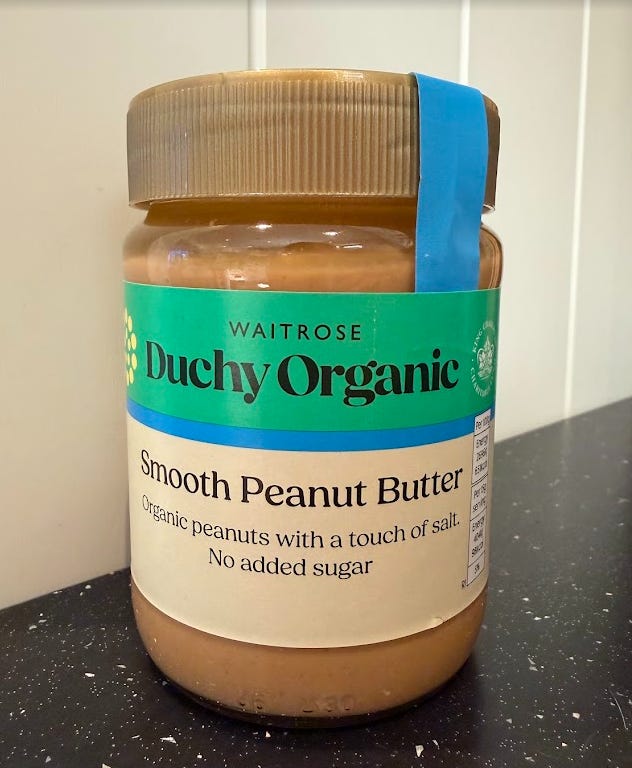
    When you’re choosing your nut butter next time, try a tiered approach. Can I look for one in a glass vessel? Can I find an organic version? My personal preference is Waitrose Duchy Organic Peanut Butter. If this is something you eat a lot of or regularly consume, consider making that switch. For example, me and my little boy have peanut butter every day in overnight oats. We will also have it on top of some rye bread as well 🙂

    Stay Connected

    Motherhood isn’t meant to be walked in isolation or dictated by endless algorithms. Step inside our private community forum to share whole-food recipes and chat with fellow mothers, or subscribe to our newsletter for gentle weekly essays.

    Disclaimer

    Educational Purposes Only: The information provided in this post is for educational, informational, and inspirational purposes only and does not constitute medical or nutritional advice. The scientific concepts and data shared reflect general biochemistry and agricultural practices and should not be used to diagnose, treat, or manage any health condition.

    Allergy Warning: Tree nuts and peanuts are among the most common and severe food allergens. Always consult with a qualified healthcare professional or pediatric allergist before introducing new nut or legume products into your family’s diet, especially if you or your children have a history of food sensitivities or allergies. Always read manufacturing labels carefully regarding cross-contamination risks.

  • From the Ground Up

    From the Ground Up

    Today, we are talking about feet.

    • My insight and experience of barefoot walking
    • Hip, back, foot pain and balance
    • A shoe test and foot strengthening exercise you can try at home!

    I think it is fair to say that modern footwear has become a real issue for a lot of our bodies. I know this firsthand because I actually deformed my own feet from years of wearing improper shoes. I developed bunions – one of which used to cause me immense pain. Today, however, that pain is completely gone, simply because I transitioned into minimal Vivobarefoot shoes, began wearing toe spacers, and started performing a basic foot strength routine daily.

    Leonardo da Vinci once said, “The human foot is a masterpiece of engineering and a work of art.”

    For most of my life, I never appreciated my own feet at all. In fact, I would have historically classed myself as quite sedentary. That all changed when I had my baby. As he grew into a very active toddler, I had no choice but to sink or swim in terms of my own physical fitness, balance, and strength!

    Before Shoes – Baby Feet

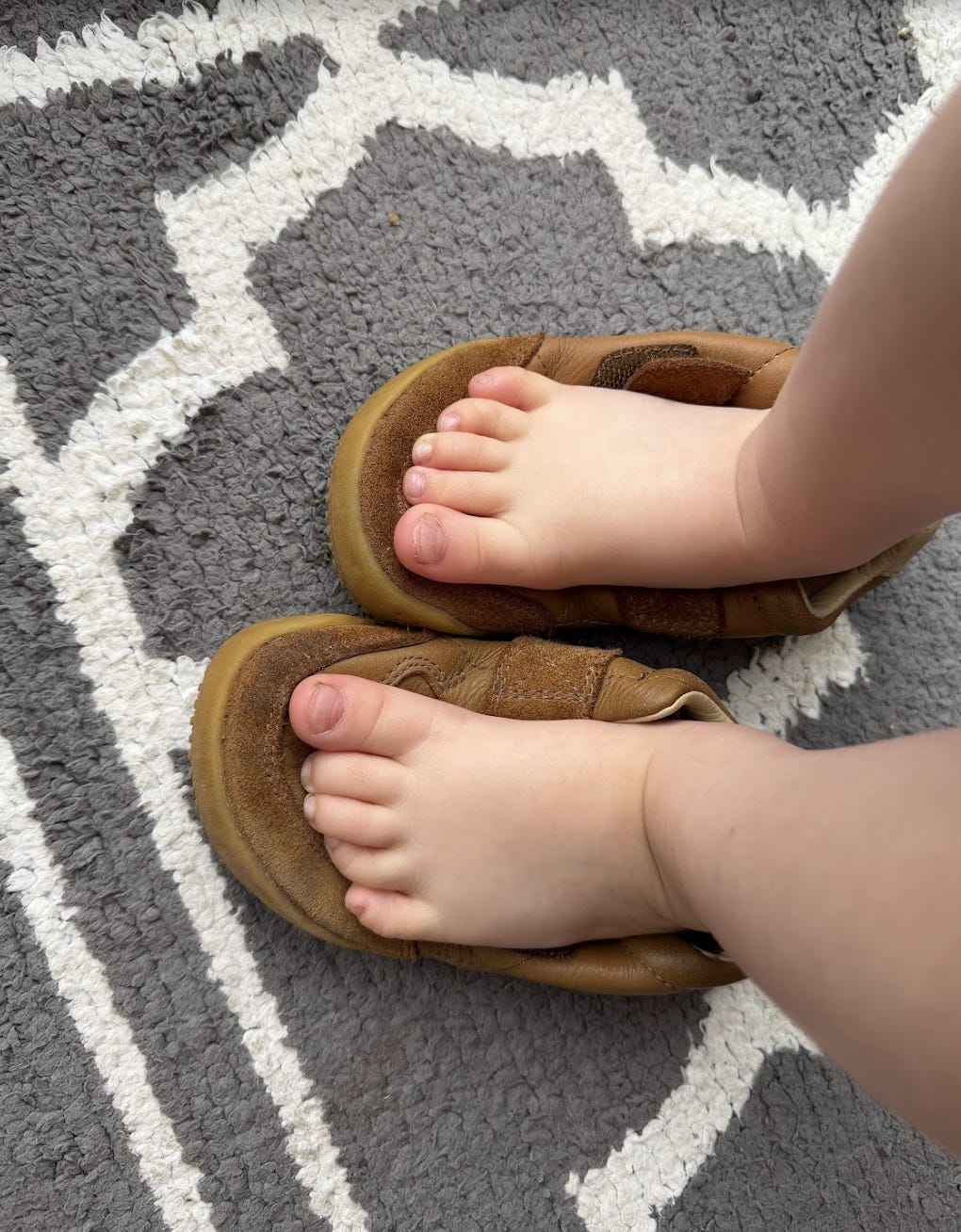
    To understand where we are going wrong, we need to go back to basics and look at the shape of a healthy human foot before shoes ever get involved. If you have a baby or a non-walking toddler, take a close look at their feet. I have become completely fascinated by my toddler’s cheesy, delicious little feet and how absolutely perfect they are. There are no structural lumps or bumps; his toes are perfectly straight, he has incredible dexterity in every single digit, and his toes naturally splay wide.

    When I compare his perfect feet to my own less-than-optimal ones, the difference is striking. It has since become my absolute mission to keep his feet exactly the way nature designed them, while actively working to restore my own. While I can’t magically “fix” the structural shape of my bunions now, they no longer give me a single ounce of pain. This massive shift is thanks to the brilliant insights of Dr. Courtney Conley on the physiological benefits of toe spacers and barefoot-style footwear.

    Spread the Word

    I am now on a bit of a personal mission to spread the word that we all need to be paying much closer attention to what is happening at the bottom of our legs. I literally had no idea my feet were structurally compromised until the day the pain finally kicked in – but the reality is that it was years in the making.

    I won’t be giving you direct medical protocols or strict advice on how to transition your own footwear, as that wouldn’t be responsible of me. However, if you are curious to explore the science, I highly recommend picking up a copy of Walk by Dr. Courtney Conley and Milica McDowell. It is a fantastic, accessible resource written by true experts in the field.

    What I can do is share the real-life, everyday benefits I have personally experienced, in the hopes of convincing you to at least take your socks off, look at your feet, and consider their impact on your health.

    The Upwards Connection: Hips, Backs, and Balance

    I cannot recommend barefoot walking enough. Reconnecting with the ground has completely transformed my foot pain, hip pain, and lower back aches.

    I do want to be completely honest with you: I had to transition very slowly, and the shift did trigger some temporary new aches and pains initially. That happened because muscles that hadn’t been fired up or utilized in years were suddenly being forced to wake up and work! But sticking with it has made me so much stronger and drastically improved my balance.

    Good balance is something I would argue is absolutely vital for postpartum mothers. My own balance suffered terribly both during my pregnancy and after having my son. Ever since my feet have been allowed to feel, spread, and properly connect with the earth, I feel completely stable. As a beautiful byproduct, I have strengthened my ankles so deeply that the questionable “need” for stiff ankle support has vanished. In fact, my newfound foot strength was recently noticed and praised by a sports therapist I saw – and that was without me even mentioning my newfound obsession for the foot, or the lifestyle measures I had been practicing!

    My ultimate wish is that all mothers are fully informed about their foot health. Barefoot movement builds stronger feet, ankles, and legs, which can naturally result in fewer structural aches and pains further up the chain in our knees, hips, and lower backs. If there are no underlying medical reasons holding you back (always check with your healthcare provider), I highly encourage you to consider barefoot walking. Even if it just means walking barefoot around the house – yes, it’s time to kick off those restrictive slippers!

    As humans, we can be incredibly short-sighted. If we don’t see an immediate reward or an instant benefit, we often think, what’s the point? But trust me on this one: don’t wait until your feet actively hurt before you finally start making changes.

    Barefoot Price Barrier

    Before I invested in my Vivos, which I completely appreciate are a financial investment and are expensive, I actually started with a super cheap pair of barefoot shoes off Amazon just to test the waters.

    If the price tag is currently your biggest barrier to trying minimal footwear, I highly recommend buying a budget-friendly alternative first to see how your feet respond. I am more than happy to send over the direct link to the exact cheap pair I bought to anyone who wants to drop me a message and ask!

    My 85% Victory

    The real starting point of this entire journey actually began because I read an article suggesting that chronic hip pain could be directly caused by underlying foot mechanics.

    Before finding this, I had seen multiple physiotherapists, undergone X-rays, and consulted various doctors and osteopaths. Every single professional told me something completely different. At one point, a doctor even told me I would likely need an operation on my hip – as this was the only ‘solution’ to my pain. As a mother to a busy toddler, I absolutely refused to accept surgery as my only solution. How could I possibly be out of action and stuck in bed recovering when I have an energetic little boy to look after? I had my gallbladder removed when my toddler was 10 months old and that was incredibly challenging physically and mentally for me.

    Driven by the need for a more practical and holistic alternative, I started searching for real solutions. Around that exact same time, I began developing acute pain in my foot- on the exact same side of my body as my problematic hip. That was the missing puzzle piece that led me to the world of barefoot movement.

    The rest is history. Today, I have zero foot pain, and my chronic hip pain is mostly gone – I’d say it is about 85% better. I have only been on this journey since April 2026, which is an incredibly short period of time to achieve such a massive improvement in my daily health.

    What surprised and frustrated me the most throughout this process was that not a single one of those highly trained health professionals ever looked down and considered my foot to be the root of the problem. This experience has fuelled my desire to spread the word. I want to reach other mums out there who might be struggling with a cascade of new health problems since childbirth (I myself have had to navigate gallbladder, thyroid, and hip issues since giving birth – more on those topics to come) and who want a natural, holistic path forward. But I also want to echo this message to the healthcare practitioners out there: please, look at the feet.

    Your Weekly Foot Health Action Points

    If you aren’t ready to go fully barefoot or switch your footwear just yet, here are two incredibly simple, zero-minute steps you can take at home this week:

    The Shoe-Splay Test

    Make sure your current shoes actually fit the natural shape of your body. Stand directly on top of the shoe itself. Can your toes naturally splay out, or do they spill over the sides? Your toes should never be compressed or touching the edges of the material.

    The Daily Lift & Splay

    There are countless foot exercises out there, but I only recommend what has genuinely worked in my own life. Every single day, I practice the “lift and splay” randomly while standing at the kitchen counter or moving around the house. Simply lift your toes and spread them as wide apart as you can.

    I recently asked about ten friends and family members to try the lift and splay exercise. Remarkably, every single person found that the foot with the weakest lift and the poorest splay was on the exact side of the body where they experienced chronic issues – whether that was a dodgy knee, a tight hip, or lower back pain. It is real-world proof of the upwards system we are talking about!

    Let me know if you try the shoe test or the lift-and-splay this week!

    Stay Connected

    Motherhood isn’t meant to be walked in isolation or dictated by endless algorithms. Step inside our private community forum to share whole-food recipes and chat with fellow mothers, or subscribe to our newsletter for gentle weekly essays.

    Mindful Movement & Foot Health Disclaimer

    The information, personal experiences, and footwear or exercise suggestions shared in this post are intended solely for educational, motivational, and general wellness purposes. I truly believe that reintroducing barefoot movement is deeply beneficial and appropriate for most people, but everyone’s body operates on a unique timeline. There are specific medical, structural, or chronic foot conditions where transitioning to minimal shoes or certain foot exercises is not appropriate at all. Please always listen to your body’s unique signals. If you have existing foot pain, structural injuries, or chronic physical conditions, I highly encourage you to speak with a qualified healthcare provider before beginning your barefoot journey. Never push through severe discomfort – true wellness is about mindful consideration, not rigid perfection.

  • Welcome to Soleful Mother! A space for simple nutrition and natural movement.

    Welcome to Soleful Mother! A space for simple nutrition and natural movement.

    A little bit about me..

    My name is Melissa, and I have a husband and a very energetic 2-year-old who I am still breastfeeding and co-sleeping with! I have a degree in health sciences and a master’s in psychology. But my biggest qualification (in my experience) is being a mum – the hardest and greatest achievement of mine. My writing will be a combination of evidence and my lived experience as a mother, which, in my experience, doesn’t always add up!

    Nutrition and Natural Movement

    I want to help mothers with the time and energy that we so sorely lack and need, by giving you simple nutrition and more natural exercise tips. Both things have hugely improved my mental health, resilience, and my physical health, plus all the common issues women have before and after childbirth.

    Everything I write is about something I am genuinely interested in (related to food or exercise – specifically for mothers), and is not directed or encouraged by any brands – I have no affiliations with my recommendations. All suggestions are from my own personal use and experience.

    Important 🙂

    I will be writing a series of posts that will cover different aspects of wholesome nutrition and natural movement. I aim to talk about, my lived experience and/or backed up with sources where appropriate. There is never any judgment from me, and you do not have to make any changes if they don’t resonate with you. My only hope is that other mothers find something useful in my posts that might help 🙂

    Mr Organic Chickpeas and Lentils

    I want to kick things off straight away talking about chickpeas and lentils. So, I recently found these products from Mr Organic, which are Chickpea Rice and Lentil Rice. I wasn’t sure how to add them into my diet for my family, but I was really on board with them as they contain a whopping 20g of protein in the chickpea rice and 26g in the red lentil. They also contain good amounts of fibre: 8.5g in the chickpea and 7.6g in the red lentil. For me, this product is a bit of a hero. It’s super high in protein, which we all need a bit more of – but particularly us mothers, I would argue – and it also contains a decent amount of fibre, which most of us are lacking in our diets!

    • Mr Organic Chickpea Rice benefits: High in manganese, fibre-dense, supports the gut microbiome, and helps with blood sugar levels and satiety!
    • Mr Organic Red Lentil Rice benefits: High in iron, a protein powerhouse with amino acids that may help with fatigue, physical recovery, and cellular repair.

    Both of these take just 11 minutes to cook, which is another massive bonus since we can be very time-poor these days.

    So, if you are struggling to add a sufficient amount of fibre or protein to your diet, maybe these could be something to help you with that! A small caution: because the Mr Organic rices are so fibre-dense, it’s best to add them into your diet gradually and in small amounts if you aren’t used to high-fibre foods!

    I think this product is fantastic because you can use it to replace white rice or even brown rice, for example. Rice intake should be limited in children due to arsenic levels, and this is a perfect replacement to combat this!

    Warm Sesame & Legume Rice Nourish Bowl Recipe:

    You could use it to replace or add to curries and stir-fries, serve it as a side in a family-style dinner, or even make a risotto with it!

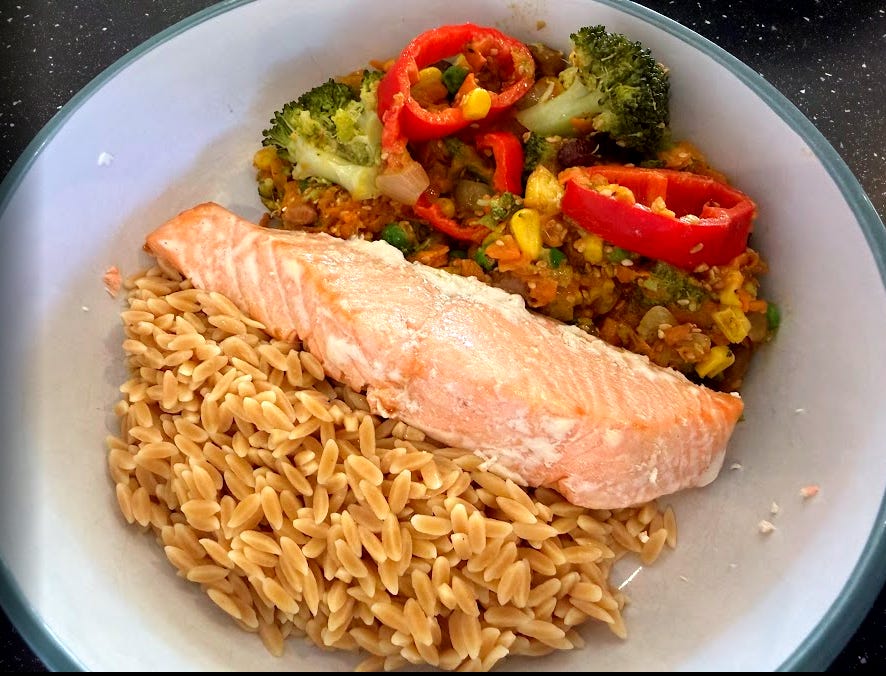
    I personally have used both products in my stir-fries. Here is a recipe I use every week which my family, including my toddler, absolutely love! It’s entirely up to you if you want to deconstruct this meal for your little one or serve it as a whole dish – whatever works for your kids :).

    I just want to add that my recipes aim to be fuss-free in terms of preparation, using easily accessible ingredients and time-optimised methods. Plus, they are nutritionally wholesome, aiming to provide you with energy and support your health. For example, in this recipe, my stir-fry sauce is actually rather basic, with just toasted sesame seeds and extra virgin olive oil at its core! My recipes are intentional this way, and it may take some time for your palate to adjust if you are used to more ultra-processed, highly sweetened foods. I was very much so – after 30+ years of eating UPF, and I have almost had to retrain my palate to appreciate wholesome, simple foods that are nutritionally excellent.

    The Foundation:

    100g Mr Organic Chickpea Rice or Red Lentil Rice

    1 Sweet Potato, sliced thinly into matchsticks – Or try grating it (I recently tried this and it turned out really well!

    1 Red Pepper, thinly sliced (left raw for maximum crunch and Vitamin C protection)

    A generous handful of Green Beans, Carrots, and Broccoli florets (sliced into bite-sized pieces)

    A handful of Peas and Sweetcorn

    1 Onion peeled and sliced thinly

    1/2 can Four Bean Salad

    2 tbsp Extra Virgin Olive Oil (for frying and dressing)

    The Protein (Choose Your Variant):

    Option A: 150g Organic Smoked Tofu, cubed (perfect for a quick pan-fry)

    Option B: 1 Organic Wild Salmon Fillet (beautifully oven-baked)

    The Warm Sesame Satay Sauce:

    2 tbsp Sesame Seeds

    2 tbsp Extra Virgin Olive Oil

    1-2 tbsp Organic Peanut Butter (Your secret tool for a rich, creamy, toddler-friendly satay texture, or leave it plain with just the oil and seeds if preferred!)

    1 tbsp Organic Soy Sauce (Optional: beware of salt and ultra-processed versions. I keep Kikkoman soy sauce in my fridge)

    🥣 The Step-by-Step Method

    1. Toast the Sesame Seeds Place a dry frying pan or skillet (no oil) over a medium heat. Add your sesame seeds and toast them for 2–3 minutes, shaking the pan frequently. The moment they turn a golden amber colour and smell deeply nutty, tip them immediately into a small bowl so they don’t catch or burn.

    2. Boil the Rice Bring a pot of filtered water to a boil. Add your chickpea or red lentil rice and simmer steadily for 11 minutes. Drain and set aside.

    3. Prepare the Proteins & Crispy Roots

    If using Smoked Tofu: Heat 1 tablespoon of extra virgin olive oil in your skillet. Add the thinly sliced sweet potatoes and cubed smoked tofu together. Fry on a medium-high heat until the sweet potatoes are tender with beautifully crisped edges and the tofu is golden. Then add in your onion, peas, sweetcorn and four bean salad until cooked.

    If using Salmon: Preheat your oven to 200°C (180°C fan). Place the salmon fillet on a non-toxic baking tray (e.g. glass), drizzle with a touch of extra virgin olive oil, and bake for 15–20 minutes (check packet timelines). Fry the sweet potatoes, onions, peas, sweetcorn and four bean salad until cooked.

    4. Steam the Greens While your pan or oven does the work, place your chopped green beans, carrots, and broccoli florets into a steamer basket over boiling water. Steam gently for 5–10 minutes until bright green and tender-crisp, preserving all the goodness inside!

    5. Whisk the Toasted Satay Dressing In your small bowl with the golden toasted sesame seeds, whisk together the extra virgin olive oil, peanut butter (if using), and optional soy sauce. If it feels too thick, simply stir in a single tablespoon of the hot cooking water from your legume rice to create a smooth, velvety, pourable sauce.

    6. Assemble with the “One Meal for All” Touch

    For Mum: Toss the warm, drained legume rice, crispy sweet potatoes, and steamed greens together in a wide bowl. Drop the thinly sliced raw red peppers on top at the very end so they coat beautifully in the sauce while retaining their raw crunch. Pour the warm sesame satay dressing over everything and top with your chosen protein.

    The Deconstructed Toddler Modification: Place a neat pile of the naturally sweet legume rice, separate piles of the bright steamed carrots and broccoli trees, crispy sweet potato chips, and protein strips, with the creamy satay sauce on the side as a fun, interactive dip!

    Stay Connected

    Motherhood isn’t meant to be walked in isolation or dictated by endless algorithms. Step inside our private community forum to share whole-food recipes and chat with fellow mothers, or subscribe to our newsletter for gentle weekly essays.

    Legal & Medical Disclaimer

    General Information Only: The nutritional statistics, meal suggestions, and recipes shared in this post are for educational and informational purposes only. While I hold formal qualifications in health sciences and psychology, the information provided here is not intended to be a substitute for professional medical advice, diagnosis, or treatment. Always consult with your GP, midwife, health visitor, or a registered dietitian before making significant changes to your or your child’s diet, especially during pregnancy, postpartum recovery, or extended breastfeeding.

    Allergen Warning: This recipe includes optional ingredients that are common allergens, including peanuts (peanut butter), soy (soy sauce/tamari), and fish (salmon). If you are introducing these foods to an infant or toddler for the first time, or if there is a family history of severe allergies, please follow safe, gradual introduction guidelines as recommended by your healthcare provider.

    Choking Hazards & Pediatric Feeding: When modifying this or any meal for young children or toddlers, ensure that vegetables (such as green beans or carrots) and texturized proteins are prepared, chopped, and softened to a size and consistency