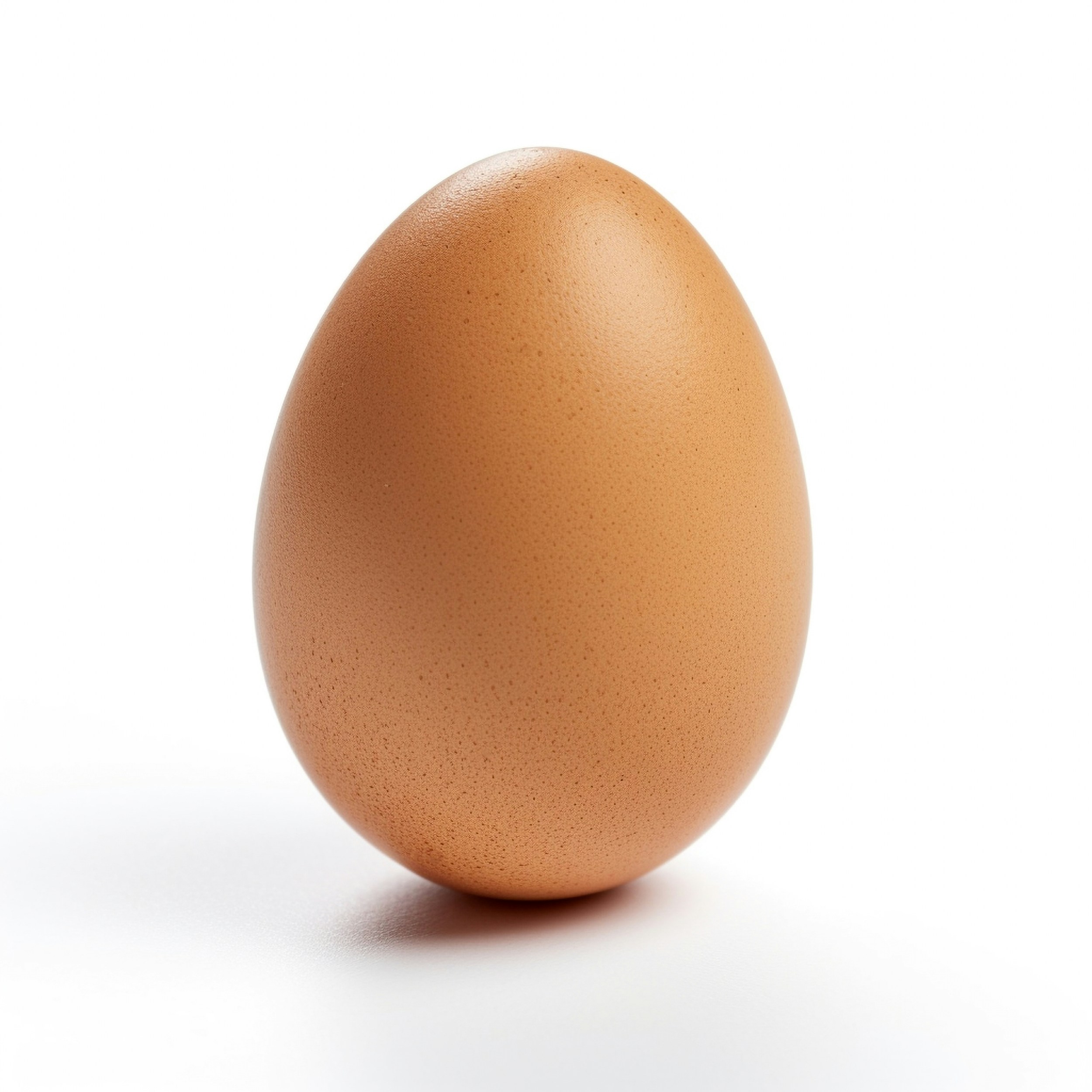
I would like to talk about the humble egg:
- Beyond ‘just’ protein – Vitamin D, Choline, Selenium & B12
- The Myth – Eggs and Cholesterol
- How I use eggs
I remember when my best friend was pregnant and she told me that she was consistently eating eggs everyday because they were so good for you. I never really thought anything of it, and when I was pregnant I had such bad morning sickness that I struggled to eat eggs if I’m honest! Postpartum, I became kind of obsessed with eggs. Again, I hadn’t really thought too much about it and it’s only just recently that I’ve decided to look closer at eggs and what they actually offer us.
Beyond ‘just’ Protein
Eggs are really nutritionally dense and I can see why I crave and eat them so much – as does my toddler!
- Protein: I think most people would associate an egg as high in protein, and it is true that they are a fantastic source of protein. They contain all nine essential amino acids, which means they are a complete protein source. These are histidine, isoleucine, leucine, lysine, methionine, phenylalanine, threonine, tryptophan, and valine. Adequate protein is absolutely essential, but particularly for mums, postpartum, breastfeeding, or not! Protein helps with tissue repair and energy levels (blood sugar). Again, mums always need as much energy as we can get right! Method of cooking matters less for protein in eggs, in terms of cooking is more beneficial then eating raw as your body can absorb more of the nutrients.
- Vitamin D: This is really tricky for us to get adequate levels through diet alone and I am not suggesting eggs replace natural sunlight, but they are a definite supporter of Vitamin D levels, especially during the darker months. Interestingly, if you buy organic eggs, these are actually higher in Vitamin D, due to the hens increased outdoor access and exposure to the sun, and diet. There is also a suggestion that again, method of cooking matters, with scrambled eggs preserving the most amount of Vitamin D.
- Choline: This is found inside the egg yolk and is one of the best sources of choline if you are looking in particular to boost these levels! Choline is apparently super important during pregnancy for foetal brain and spinal cord development. It’s also important in postmenopausal women as choline isn’t synthesised as efficiently post menopause. It’s also important for memory and mood.
- B12 and Selenium: B12 is commonly know to help with energy levels and fatigue, again more of which mums could do with help with! Selenium is supports thyroid function, immune defence and supports healthy hair, skin and nails. I now suffer with thyroid issues as a result of having my little boy, I’m not suggesting eggs would have cured this but it’s certainly food for thought around thyroid issues in women.
What About Cholesterol?
If you are grew up in the 80s/90s, you might remember there being a rumour that eggs are bad for cholesterol. This is actually incorrect!
- Dietary Cholesterol / Blood Cholesterol: For the vast majority of people (unless you have familial hypercholesterolaemia), eggs have a smaller effect on blood levels of total cholesterol and harmful LDL cholesterol.
- Focus on Saturated Fat: Eggs are actually low in saturated fat. There are more harmful effects from saturated fatty acids in butter and fatty meat greater and more harmful effects of saturated fatty acids found in foods such as butter and fatty meat. The real cholesterol impact often relates to how the eggs are cooked or what they are served alongside, like heavy cooking oils or processed meats.
- Familial Hypercholesterolaemia: As briefly mentioned above, unless you have familial hypercholesterolaemia, you may not need to limit intake of egg yolk. Most healthy adults, can enjoy eggs as part of their diet.
How I use Eggs
I will eat eggs every single day without fail. My toddler absolutely loves scrambled egg. I think eggs are fantastic, as you can eat them many different ways. Scrambled, fried, poached, boiled, or even having something like pancakes or waffles gets you your daily egg! For me, it depends on our schedule for the day and if we are in or out the house, but we will either have scrambled eggs for breakfast or lunch. If scrambled eggs is too much of a challenge (I know mums are so time poor, plus the clean up from our kids right!:)), then consider cooking a batch of eggs (hard boiled), storing them in the fridge, and having one as a grab and go snack for you and your kids.
Stay Connected
Motherhood isn’t meant to be walked in isolation or dictated by endless algorithms. Step inside our private community forum to share whole-food recipes and chat with fellow mothers, or subscribe to our newsletter for gentle weekly essays.
Soleful Mother is entirely independent and ad-free. If these resources bring a bit of ease to your day, you are always welcome to buy me a coffee.
Legal & Medical Disclaimer
General Information Only: The nutritional information and meal ideas shared in this post are for educational and inspirational purposes only and do not constitute medical or nutritional advice. While I hold formal qualifications in health sciences and psychology, this information is not intended to replace professional medical advice, diagnosis, or treatment. Always consult your GP, health visitor, or a registered dietitian regarding dietary changes for you or your family.
Medical Conditions & Cholesterol: If you have been diagnosed with Familial Hypercholesterolaemia (FH), severe hypercholesterolaemia, cardiovascular disease, or type 2 diabetes, dietary cholesterol guidelines may differ for you. Individuals with FH or high cardiovascular risk should consult their GP or specialist lipid clinic before increasing egg consumption, as tailor-made restriction of dietary cholesterol and saturated fats may be recommended.
Allergen Warning: Eggs are one of the most common food allergens, particularly in infants and young children. If you are introducing eggs to a baby or toddler for the first time, or if there is a family history of severe allergies, please follow safe, gradual introduction guidelines as recommended by your healthcare provider, GP or paediatric allergist.
Paediatric Feeding: Please ensure all foods served to infants and toddlers are prepared and cooked thoroughly, and served in an age-appropriate texture and size to prevent choking hazards.
Leave a Reply