Nut Butters Boundaries – Plastic Lipophilic Leaching, and Organic Priorities
I will be talking about:
- Lipophilic leaching and nut butters
- My Organic Nut Ratings
- Why Nut Butters are Nutritious
The Vessel: Why It Matters More Than We Think
If I’m honest.. I hadn’t really given the vessels of my foods from supermarkets much thought. I had thought about lunchboxes and water bottles, but not about the interaction between food and its vessel. So, I started reading up on lipophilic leaching. This is a process whereby fat-loving chemicals or toxins migrate from plastic into fatty foods. You can probably already see the relationship here between fatty nut butters and the plastic vessels they come in!
As nut butter is very fatty, it can essentially act as a sponge, soaking up chemicals and toxins from the plastic. We know plastic degrades over time (think microplastics and nanoplastics as an example) and this can be accelerated by damage to the plastic, different temperatures, and even sunlight. I would be interested to see the exact microplastic content of a nut butter in a plastic vessel! When I buy nut butters now, I always opt for one in a glass jar.
The Organic Debate: Balancing Reality and Nutrition
The second part to buying nut butters is the debate on organic or not. I understand the conversation around organic food can be quite polarizing, with some seeing it as not an issue and others saying it is. Personally, I try and opt for organic where possible. However, I wouldn’t actively avoid eating something wholesome and nutritious if I couldn’t get it organic – I think there is a balance to be had. As an example, I was on a short holiday break in and I couldn’t source any organic fruit where I was staying, so I opted for non-organic fruit.
Anyway, back to nuts! Due to nuts’ naturally high fatty oil content, they absorb pesticides deep into the kernel. For example, some fruits that have skins may not have such a high pesticide level inside, which isn’t necessarily the case for the nut! Most synthetic pesticides are lipophilic, meaning they love the fatty, oily nature of the nut and penetrate deep into it.
My Personal Nut Rating Matrix
Here is my personal nut rating on which ones I would always buy organic:
Top Tier Priority
1. Peanuts: I will always buy organic peanuts. They are grown underground and they have very soft shells that are permeable to pesticides. They are also susceptible to aflatoxin, a mould, meaning farmers need to use a cocktail of pesticides and fungicides to control this.
2. Almonds: I will always buy organic almonds. They are treated both pre- and post-harvest. Post-harvest treatment is when they are cracked open, and the bit we eat is treated!
Medium Priority
3. Walnuts and Pecans: The woody shells offer some protection, but conventional methods mean they are sometimes treated after they have been cracked and shelled.
4. Cashews: Conventional methods treat the tree extensively to protect the cashew apple. They are also softer and fat-dense, so they absorb treatments easily.
Low Priority
5. Pistachios and Hazelnuts: They have heavy and tightly closed shells which better protect the goods inside! They still receive pesticide treatments, but the shell offers a better natural boundary.
Why Nut Butters Deserve a Place in Your Kitchen
I think we also need to talk a little bit about why nut butters are so good for you! They are a fantastic source of healthy fats and, depending on which nut butter you buy (as there are variations), they are generally a fantastic source of protein (peanuts are high in protein) and dietary fibre (almonds are a good source of fibre). Maybe you are looking for more nutritious foods to feed your kids (they’re always hungry!:)), or are trying to increase your fibre and protein intake – nut butters are a great way to do that!
The Simple, Zero-Minute Upgrade
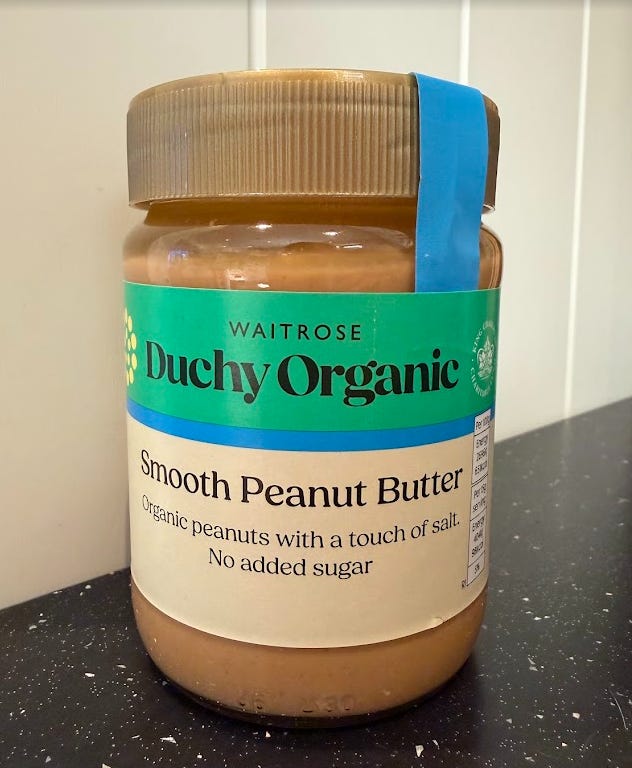
When you’re choosing your nut butter next time, try a tiered approach. Can I look for one in a glass vessel? Can I find an organic version? My personal preference is Waitrose Duchy Organic Peanut Butter. If this is something you eat a lot of or regularly consume, consider making that switch. For example, me and my little boy have peanut butter every day in overnight oats. We will also have it on top of some rye bread as well 🙂
Stay Connected
Motherhood isn’t meant to be walked in isolation or dictated by endless algorithms. Step inside our private community forum to share whole-food recipes and chat with fellow mothers, or subscribe to our newsletter for gentle weekly essays.
Soleful Mother is entirely independent and ad-free. If these resources bring a bit of ease to your day, you are always welcome to buy me a coffee.
Disclaimer
Educational Purposes Only: The information provided in this post is for educational, informational, and inspirational purposes only and does not constitute medical or nutritional advice. The scientific concepts and data shared reflect general biochemistry and agricultural practices and should not be used to diagnose, treat, or manage any health condition.
Allergy Warning: Tree nuts and peanuts are among the most common and severe food allergens. Always consult with a qualified healthcare professional or pediatric allergist before introducing new nut or legume products into your family’s diet, especially if you or your children have a history of food sensitivities or allergies. Always read manufacturing labels carefully regarding cross-contamination risks.
Leave a Reply