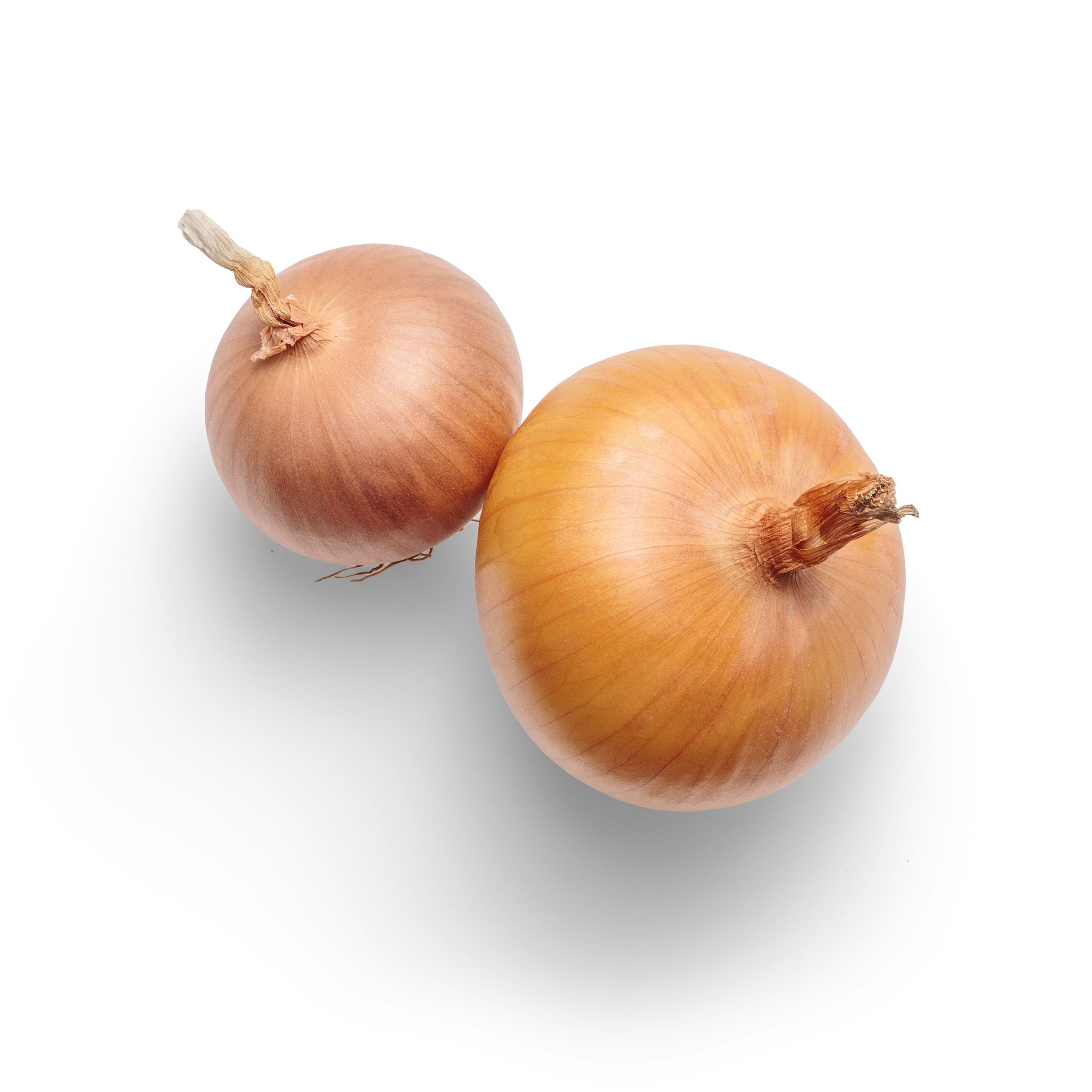
Raw or Cooked, and Perfect Pairings
I think onions are brilliant. They are incredibly nutritious and like a lot of food, they partner will with other foods. I wanted to find out if eating them raw or cooked had any difference in terms of nutritional value and the best pairings.
The onion is an everyday staple in our cupboards but it is often seen as something very flavoursome, there is little looking beyond the flavour and what actually makes it nutritious. I find it so interesting that these healthy whole foods like the onion are actually really nutritious, not just delicious!
So, should we be cooking the onion or eating it raw? As I have found it, there is no perfect answer with this one! Variety, and eating the onion raw or cooked provide the body with different nutritional values. Also, it does depend on you, what are your digestive requirements? Some people cannot tolerate raw onions, so it is good to know that cooking them also has it benefits 🙂
The Case for Raw
Maybe you like eating raw onions, or want to give it a try. An easy recipe is a simple cheese and onion sandwich!
- Organosulfur: Onions contain suflur compounds, significantly more so when they are raw as opposed to cooked. There have been studies showing that these suflur compounds may protect against cancer, reduce bad cholesterol, blood sugar and support healthy blood vessels.
- Vitamin C: Eating onions raw preserves the Vitamin C!
- Prebiotic: Raw onions have Inulin, a prebiotic fibre. Inulin is extremely beneficial for the gut microbiome.
The Case for Cooked
If you or your family suffer with sensitive digestive issues then cooking your onions may be more palatable for you.
- Quercetin: Onions contain an incredibly source of Quercetin, which is a very bioavailable antioxidant increased during cooking!
- Easier on the Maternal Stomach: The inulin and sulfur content in raw onions can actually cause digestive upset or discomfort. Cooking the onion actually breaks these down so it is easier to digest.
- The “Peel” Secret: This was really interesting to read up. There has been research showing that the outer most layers of the onions are higher in antioxidants and flavonoids! Including the skins! If you make bone broths or stews or want to, adding an onion in with these bits on will allow you to get the full benefit of the onion.
Perfect Onion Pairings!
Here are three common staple ingredients that I pair my onions with every week 🙂
🌾 1. Onions + Whole Grains & Legumes (Zinc &Iron)
When you pair an onion with whole grains or legumes such as the Mr Organic Chickpea or Lentil rice I previously mentioned, they interact. The sulfur from the onions interact with the wholegrain foods that are high in iron and zinc and this increases the absorption of these minerals. Next time you use an onion, try pairing it with whole grains or legumes 🙂
🍅 2. Onions + Tomatoes (Heart)
The sulfur and quercetin in the onions enjoy pairing up with the humble tomato this time! Tomatoes are high in lycopene an antioxidant, Vitamin C and Potassium. When you pair these two together, you get lots of benefits (and not just a flavour benefit!). But the one I am focusing on is that together they may help with your heart health. Consider making your own tomato pasta sauce, a can of chopped tomatoes and an onion are delicious 🙂
🫒 3. Onions + Extra Virgin Olive Oil (Fat-Soluble)
This one is quite simple, eating onions with Extra Virgin Olive Oil assists with the delivery and absorption of the all the vitamins and antioxidants in the onion! You could try cooking them in the oil, or if you are having them raw, you could make a nice salad with raw onions and a drizzle of oil on top 🙂
Stay Connected
Motherhood isn’t meant to be walked in isolation or dictated by endless algorithms. Step inside our private community forum to share whole-food recipes and chat with fellow mothers, or subscribe to our newsletter for gentle weekly essays.
Soleful Mother is entirely independent and ad-free. If these resources bring a bit of ease to your day, you are always welcome to buy me a coffee.
Legal, Nutritional & Pediatric Safety Disclaimer
General Information Only: The nutritional insights, biochemistry notes, and dietary suggestions shared in this post are for educational, motivational, and informational purposes only. While I hold formal qualifications in health sciences and psychology, this information is not a substitute for professional medical advice, diagnosis, or treatment. Always consult with your GP, midwife, health visitor, or a registered dietitian before making significant changes to your or your child’s diet, especially during pregnancy, postpartum recovery, or extended breastfeeding.
Paediatric Feeding & Safety: Onions (especially when raw) have a firm texture and a sharp flavour profile that can be overwhelming for little ones. When preparing meals for young children or toddlers, ensure that onions are finely diced, grated, or thoroughly cooked and softened to a size and consistency appropriate for your child’s age and developmental stage to minimize choking hazards. Always supervise children during mealtimes.
Leave a Reply